
A string trimmer is a lightweight, rotary‑cutting device that spins a high‑speed nylon line to shear grass, weeds, and debris along edges and in tight spots where a mower can’t reach. It works by feeding a flexible line through a spinning head, creating a fast‑moving cutting vortex that slices vegetation cleanly. You’ll find gas, corded, and battery models, each with trade‑offs in power, weight, and runtime. Selecting the right head and line, plus mastering edge‑cut techniques, maximizes efficiency, and the maintenance routine keeps performance consistent. Continue for deeper insights.
What Is a String Trimmer and How Does It Work?
When you fire up a string trimmer, a high‑speed motor spins a flexible nylon line that slashes through upright vegetation by centrifugal force. You engage a clutch (gas) or a two‑speed controller (electric) to drive the shaft, which flings the line outward, delivering effective reach and efficient cutting. Single‑line spools feed crisp filament, while dual‑line configurations double throughput for dense overgrowth. Line diameters from 0.065 mm to 0.08 mm match material hardness; thicker stock handles tougher brush. Adjustable handles and telescoping arms let you position the cutter head near the ground, sweeping side‑to‑side to sever stems. Bump‑feed or EASYFEED mechanisms replenish line on demand, maintaining cutting continuity without manual reloading. Two‑cycle engines require a proper fuel‑oil mix to avoid engine seizure. Safety gear is essential to protect against debris and accidental cuts. The cutting head design determines the angle at which the line exits, influencing both reach and precision. Regularly inspect the trimmer’s spool tension to prevent line jams and ensure consistent performance.
When a String Trimmer Beats a Mower for Edge‑Heavy Yards
A string trimmer outperforms a mower in edge‑heavy yards because its lightweight, high‑speed spindle delivers a flexible nylon line that can infiltrate narrow, irregular perimeters where a 21‑inch mower deck can’t reach. You’ll exploit edge cutting versatility by pivoting the head 0‑360°, achieving 2‑3‑inch vertical cuts on sidewalks and driveways while the line’s 5,000‑8,000 RPM spin creates crisp, 4‑5‑inch turf reclamation. The perimeter focused workflow eliminates scalping: the trimmer skirts fences, foundations, and shrub bases without wheel slippage, handling slopes and uneven terrain effortlessly. Battery‑compatible units stay under 10 lb, enabling 15‑20‑minute sessions that cut hand‑trimming time 50‑70 %. Attachments add blades or brushes for heavy‑duty borders, consolidating trimming, edging, and weed control into a single, cost‑effective platform. Blade edger provides a deeper, cleaner cut for hard surface‑to‑lawn transitions. Understanding tool efficiency helps you match the right equipment to your lawn’s specific needs.

20V Cordless String Trimmer & Electric Weed Eater: 3.5 lbs Ultra-Lightweight Design for All-Day Yard Work Lightweight yet powerful, this cordless weed wacker weighs only 3.5 lbs, reducing fatigue for women, seniors, and beginners. The 20V lithium-ion system delivers steady power for trimming, edging, and clearing weeds, ideal for lawn, garden, patio and sidewalk maintenance

6200 RPM: The POWERDRIVE Transmission delivers more power from the motor to the cutting string so you can get the job done faster

PATENTED LINE IQ TECHNOLOGY: Auto-sensing technology monitors and feeds the trimmer line of the EGO weed wacker for a continuous 16-inch cutting swath. Non-stop, no bump, high-performance trimming.
Gas vs. Corded vs. Battery Power Sources: Which Is Right for You?
Your edge‑heavy yard already shows why a string trimmer’s flexible line beats a mower, but the next decision hinges on how you’ll power that tool. Gas engines deliver endless runtime, high torque, and instantaneous RPM, ideal for expansive, dense vegetation, yet they impose pull‑starts, oil changes, emissions, and elevated noise. Corded units eliminate battery recharging cycles, offering constant voltage, instant start, and the lowest weighted cost comparisons; however, cord length caps mobility and necessitates proximity to an outlet. Battery‑powered trimmers provide push‑button ignition, lightweight ergonomics, zero emissions, and up to 90 minutes on high‑capacity packs, with brushless models achieving 40‑70 % more power than legacy gas units. Choose gas for large, demanding zones, battery for residential eco‑efficiency, or corded where unlimited runtime and minimal upfront expense outweigh portability constraints. The Works model is the lightest trimmer at 9.31 lb, making it especially easy to maneuver for extended use. Electric models also offer quieter operation, aligning with the low‑noise advantage highlighted for electric leaf blowers. Curved‑shaft designs provide greater torque for thick vegetation, complementing the power benefits of battery‑operated units.

2-in-1 Trimmer & Edger: Easily switch between trimming and edging with one versatile cordless tool. Create clean, defined edges along driveways, sidewalks, flower beds, fences, and landscape borders while keeping grass and weeds under control

2 IN 1 TRIMMER & EDGER : Easily converts from a string trimmer to an edger lawn tool in just seconds.

Upgraded High-Speed Motor: This cordless string trimmer is equipped with a newly enhanced motor reaching 9500 RPM, delivering powerful and efficient cutting for all your weed trimming tasks
Choosing the Right Head and Line for Your Yard
If you need ideal cutting efficiency, start by matching head type to line diameter and feed mechanism—dual‑string heads outperform single‑string units, while automatic bump‑feed or Speed Feed 400 systems let you advance line without disassembly, and preloaded or quick‑load spools (e.g., DeWalt DWO1DT995) minimize downtime; choose universal replacement heads that accept 0.080‑0.095 in. line and fit 7‑10 mm adapters for Echo, Redax, or Troy‑Bilt platforms. For high‑density weeds, opt for a fixed‑feed or hybrid head like Shakespeare Ugly Head, which tolerates 15 ft of 0.095 in. line. If rapid reloads matter, prioritize quick‑load spool head replacements; the DeWalt DWO1DT995 cap‑twist system restores up to 6 in. of line in 30 seconds. Align feed mechanism—bump, Speed Feed 400, or no‑feed—with yard topology to preserve head durability and maintain consistent cut quality. The Shindaiwa 788933000 head features an upgraded Speed Feed 400 system for rapid tool‑free line reloading. Using the correct line thickness helps prevent premature wear and ensures a clean cut across various grass types. Selecting the appropriate power source can significantly affect overall performance and noise level.
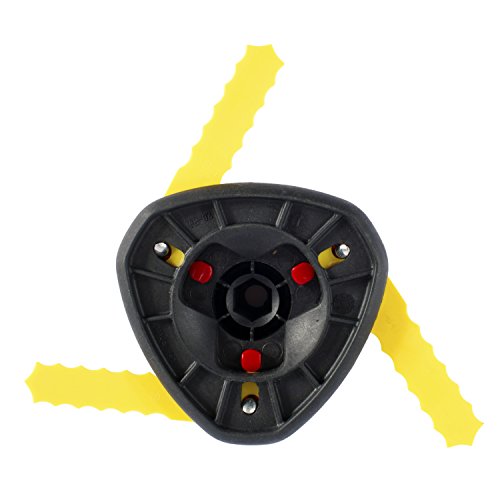
Push-N-Load 3-Blade Head: When regular trimmer line doesn't cut it, the easy-to-install Push-N-Load head tackles heavy weeds, light brush and all other grass trimming needs with durable serrated nylon blades; Includes 6 nylon blades

UNIVERSAL STRING TRIMMER REPLACEMENT HEAD – Upgrade your weed eater with the Weed Warrior Push-N-Load 2-Line Trimmer Head, designed as a universal replacement head for a wide range of gas and battery powered string trimmers and weed wackers.
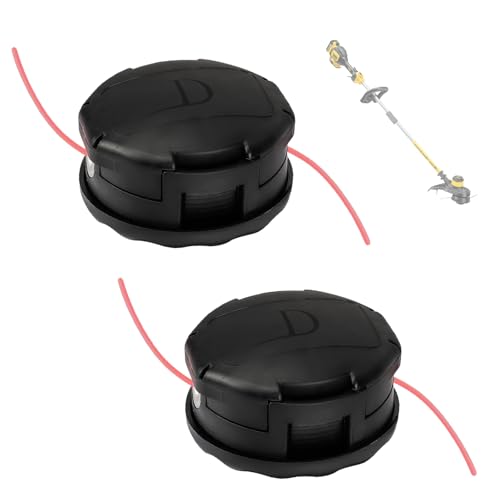
√ What Included: Including 2 string trimmer head replacement for dewalt quick load weed eater head, and the weed wacker attachments itself contains pre-wound trimmer spool line 0.08 inches 20 feet.
String Trimmer Cutting Techniques for Clean Edges
When you set the trimmer head vertical with the deflector shield facing you, the line should sit at a 90‑degree angle to the ground and spin clockwise, so you’ll guide the cutter left‑to‑right, pushing soil and grass outward while maintaining a steady grip for a razor‑sharp edge. Align the handle for a level stance, then advance in controlled, bite‑sized passes to achieve uniform lawn trimming. For irregular surface edging, employ the U‑cut method: swing the head in a shallow U‑trajectory around obstacles, keeping the line’s tip just above the substrate to avoid contact damage. Maintain a constant speed, let centrifugal force dictate line tension, and direct debris away from walkways. This systematic motion yields crisp, vertical borders with minimal rework. Use the pinky finger to fine‑tune the throttle for smoother cuts. The Husqvarna models often feature longer battery life which can be advantageous for extensive yard work. Stihl’s gas engines provide the torque needed for dense, overgrown vegetation. Proper soil moisture is essential for seed germination and should be maintained at a consistent level during the pre‑germination phase.

No gas, emissions, oil mixing or pull starts with reduced maintenance and low noise levels

RAPID RELOAD HEAD: The Rapid Reload head on EGO's cordless weed wacker allows you to quickly and easily load new cutting line.

Long Runtime: Finish the job with up to 63 minutes* of runtime on this weed trimmer
Maintenance Tips to Keep Your String Trimmer Running Smoothly
The precision edging you just achieved will deteriorate quickly unless you keep the trimmer clean and its components in top condition. After each pass, brush off grass and grime with a steel bristle, then wipe the head with a soap‑water solution to dissolve grease. Hose down the entire unit seasonally, and dry all vents to prevent corrosion. Replace line every 20‑30 hours; soak it two hours prior to winding to maximize tensile strength. Inspect fuel lines, purge valve, and suction head for cracks; swap any compromised component. Clean or replace the air filter and spark plug every 90 days, and re‑grease the gear case at 50‑hour intervals. Store the battery in a warm, dry space, lubricate moving parts, and always choose high‑quality parts. Proper tool storage and routine checks guarantee consistent performance. Sharpening lawn mower blades at least once a season helps maintain a consistent cut and reduces strain on the trimmer. Choosing the right maintenance schedule can extend the life of both the trimmer and your lawn equipment. Keeping blades sharp improves grass health and reduces weed seed spread.
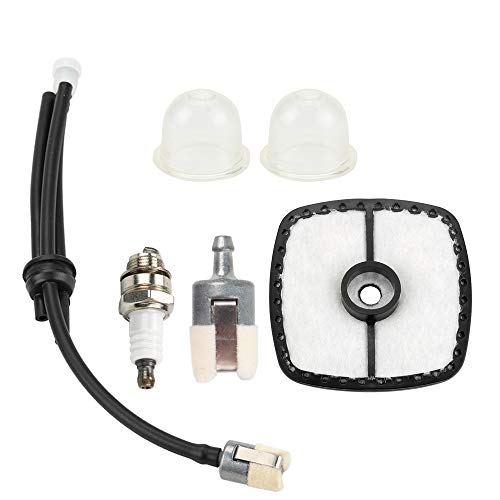
FIts Echo PB250LN PB-250 ES250 Leaf Blower;Echo GT-200i GT-200R PE-200 PPF-210 PPF-211 SRM-210 SRM-210i SRM-210SB SRM-210U SRM-211 SRM-211i SRM-211SB SRM-211U String Trimmer Echo ES-210 GT-200 GT-225 HC-150 HC-225 PAS-225 PAS-265 PB-250 PE-225 SHC-225 SRM-225 SRM-230.

Repower Fuel Line Kit Replacement Manufacturer Part Number: ECHO Craftsman 90069,90097,90097Y,900518

4 Different Size Fuel Line Hose - I.D x O.D: 0.08" x 0.14" (2mm x 3.5mm), 1/8" x 1/4" (3mm x6mm),1/8" x 3/16"(3mm x5mm),3/32" x 3/16" (2.5mm x5mm) Assoreted Sizes - One Kit Covers Many Small Engine Fuel Line ID/OD combinations Includes Four Common Fuel Line Sizes