
You’ll find Greenworks outlasts Ryobi on battery life, thanks to its dual‑battery SmartCut system that keeps torque steady on hills and cuts up to a third‑acre on a single charge, while Ryobi’s single pack swaps faster but needs spares for larger jobs. Greenworks is quieter (≈80 dB) and lighter with a polymer deck, whereas Ryobi’s steel deck feels sturdier and offers a higher max cut. The price gap is modest, and Greenworks’ broader tool ecosystem adds value. Keep going to see which mower fits your lawn size and terrain best.
Greenworks vs. Ryobi Battery Runtime
While both brands promise solid run‑time, the Greenworks dual‑battery system generally outlasts Ryobi’s single 40 V pack. You’ll notice Greenworks’ battery charge capacity is effectively doubled, delivering 45 minutes on a 48 V pair versus Ryobi’s 35‑40 minutes on a 5 Ah 40 V unit. The dual setup also spreads load across two cells, reducing voltage sag and keeping power steady for up to a third‑acre, while Ryobi covers only half‑acre before swapping batteries. On the downside, Greenworks’ battery charging time can be longer because two packs must recharge, though its USB‑compatible port adds convenience. Ryobi’s single‑battery design swaps faster, but you’ll need to carry spares for larger jobs. Overall, Greenworks offers superior runtime, while Ryobi wins on quicker charge cycles. Greenworks also features smart cut technology that adjusts power based on surface conditions. The brushless motor design provides higher torque and quieter operation, further enhancing performance. Most electric lawn mowers operate within a 12‑40 V voltage range, balancing power and runtime. Selecting the right mower also depends on lawn size to ensure the cutting width matches the area you need to maintain.
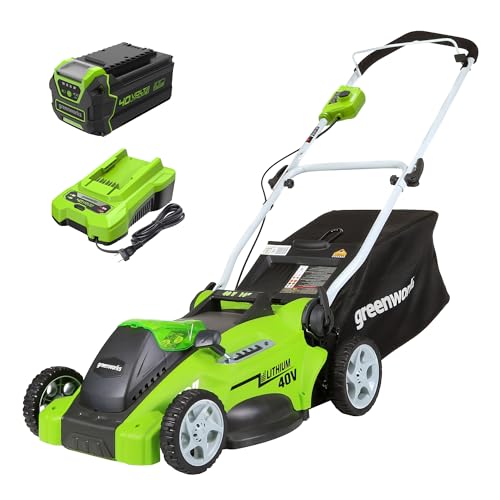
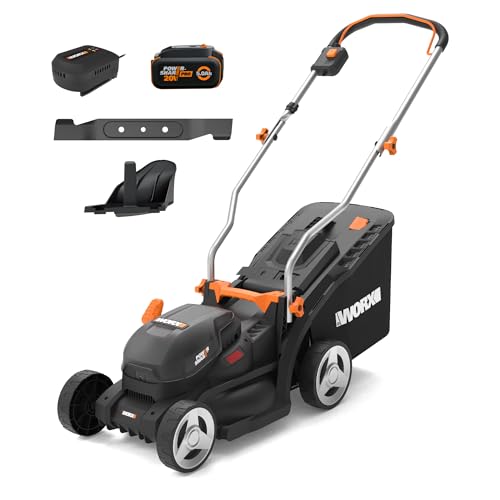
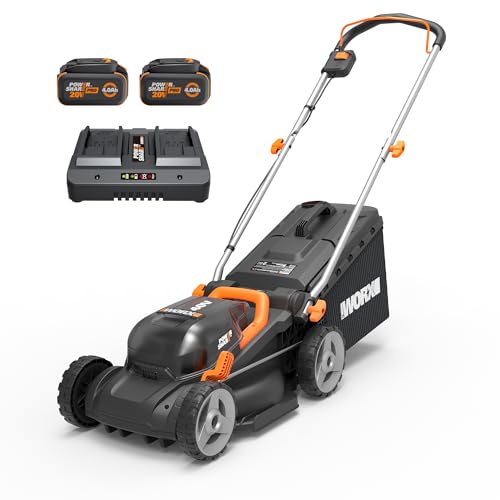
[16" LAWN MOWER] - This 40V lawn mower cuts up to 1/3 acre with fully charged 4.0Ah battery (varies based on grass condition and operator technique)
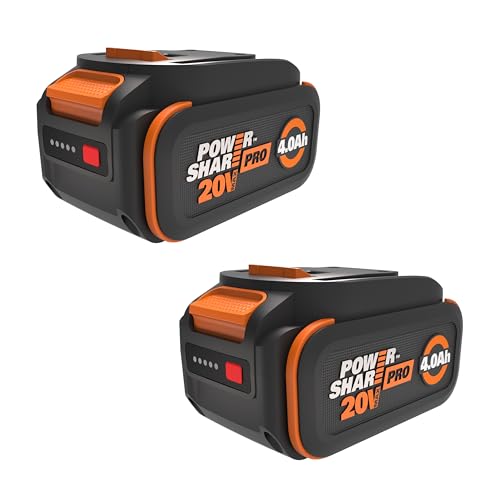
Runs longer with Worx PowerShare Pro 4.0 Ah batteries, offering 2X the runtime of 2.0 Ah batteries.

Up to 45 min. of runtime – finish the job efficiently with a battery lawn mower that features a powerful motor for extended use
Height‑Adjustment Flexibility: 5‑Step vs. 7‑Step
Greenworks offers a cutting height range from 1.15 in to 3.5 in, using a single lever adjustment that clicks through five positions. You’ll get coarse 0.5‑inch jumps, which is fine for typical lawns but limits fine‑tuning. Ryobi’s single lever adjustment provides seven positions, spanning 1.5 in to 3.75 in, with half‑inch increments that let you match uneven terrain more precisely. The higher maximum height helps taller grass, while Greenworks’ lower minimum lets you achieve a tighter cut. Both systems are simple, but Ryobi’s extra steps give you greater flexibility; Greenworks keeps the mechanism lighter and easier to navigate around obstacles. The Ego mower consistently delivered the cleanest cut across varied terrain. Properly setting the mower to the exact three‑inch height ensures uniform growth and reduces stress on the grass, especially when you follow the owner’s manual recommendations.
Greenworks vs. Ryobi 20‑Inch Deck Performance in the Field
If you compare the 20‑inch decks side‑by‑side, Greenworks’ polymer option feels noticeably lighter and easier to pivot around obstacles, while Ryobi’s steel version adds heft that helps it absorb bumps from curbs or stone edging. The polymer deck boosts maneuverability in tight spaces, letting you glide past flower beds without straining your arms. Ryobi’s steel deck, though heavier, offers a steadier platform that can maintain cutting height precision on uneven terrain. Both models use a single blade, delivering consistent grooming, but Greenworks leans toward quieter, more agile operation, whereas Ryobi provides a sturdier feel that many users appreciate on rougher lawns. Choose Greenworks for lightness and agility; pick Ryobi for durability and stability. The brushless motor in the Greenworks 24V tool delivers higher torque, making lag screw installation faster and requiring less force. A self‑propelled mower can reduce physical strain on steep or uneven lawns. Selecting the right mower type also depends on lawn size and terrain complexity. The hydraulic system in some mowers provides consistent cutting pressure that improves performance on thick grass.
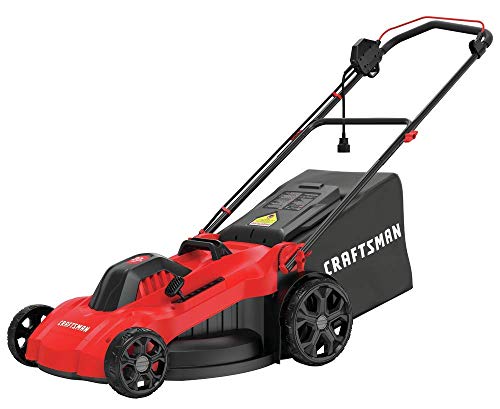
Powerful motor: 13 Amp motor with 20-in deck helps power through tall grass

13 Amp motor supplies ample power for cutting through thick grass and overgrowth

CORDED – Corded design offers unlimited runtime for even the biggest jobs.
SmartCut Dual‑Battery vs. Single‑Battery on Hills
Choosing a mower for hilly terrain means weighing Greenworks’ SmartCut dual‑battery system against Ryobi’s single‑battery setup. Greenworks’ dual bays auto‑switch when load spikes, giving you uninterrupted power and better battery capacity conservation. The smart load monitoring adjusts output for each slope, so torque stays consistent and you avoid the torque dip Ryobi’s 40V brushed motor shows on steep grades. Ryobi’s single 5Ah pack offers about 35‑40 minutes before you must swap or recharge, which can interrupt a hill‑climbing run and increase fatigue. However, the single‑battery design is lighter and cheaper upfront. Overall, the dual‑battery SmartCut delivers smoother hill performance, longer runtime, and less downtime, while Ryobi’s setup may suffice for small, gentle inclines. Remember to follow the safety checks and fuel preparation steps outlined in the Toro zero‑turn mower guide before operating any mower on slopes. Zero‑turn mowers provide tight turning radius that makes navigating steep, uneven terrain much easier. Always read the user manual before starting to ensure you understand the mower’s safety features.
Which Brushless Motor Stays Smoother Under Load?
How smoothly a brushless motor handles load depends on its power‑delivery strategy and load‑sensing tech. Greenworks leans toward gentle, quiet ramp‑up, delivering smooth power delivery that prevents stalls even when the deck meets thick, wet grass. Ryobi HP models, by contrast, crank blade speed up aggressively, which keeps blade speed maintenance high in dense or damp conditions but can feel a bit harsher under sudden resistance. Both brands use load‑sensing to adjust speed dynamically, yet Greenworks’ tuning prioritizes a stall‑free ride, while Ryobi’s higher‑tier 40V HP systems favor assertive power. If you value a seamless, low‑vibration experience, Greenworks wins; if you need rapid speed recovery in tough patches, Ryobi’s brushless motor may feel smoother under load. The compact size of each driver also helps maintain balance when navigating uneven terrain. Understanding typical lawn mower noise levels can help you choose a model that stays within local noise limits while delivering performance. The carburetor location is typically near the engine’s side or rear, attached to the intake manifold and fuel line.
2-IN-1: The electric lawn mower with 2-in-1 functionality for easily switching between bagging and mulching.

Brushless Motor for Powerful Performance: SporGain mower blade sharpener tool is equipped with a high-performance brushless motor, this lawn mower blade sharpener provides stronger power, lower noise, and longer lifespan than traditional motors, delivering smooth and efficient sharpening for lawn mower blades

Lightweight & Easy to Maneuver: Only 20.5 lbs with a compact 13” deck, easy to lift, steer, and store. Perfect for small yards, slopes, and tight spaces—ideal for all users
Deck Material Durability: Steel vs. Aluminum
While the brushless motor’s load handling set the tone for performance, the deck material determines how that power translates into real‑world durability. You’ll find that polymer decks, which both Greenworks and Ryobi offer, keep the mower light, boosting the weight impact on maneuverability and making pivoting around obstacles effortless. Their corrosion‑resistant construction also supports deck material longevity with minimal upkeep. Steel decks, however, add heft that improves straight tracking, reduces bounce on uneven terrain, and tolerates curb impacts better—advantages that shine on rough lawns. The trade‑off is a heavier unit that can feel sluggish in tight spaces. Greenworks’ polymer decks edge out Ryobi’s steel in structural durability, while Ryobi’s steel decks provide superior impact tolerance at the cost of added weight. Properly leveling the mower deck ensures even cutting and optimal performance, and a simple carpenter’s level test can verify that the deck is truly flat. Regularly checking the blade height with a blade height gauge helps maintain consistent cuts.
Noise Level and Night‑Mowing Lighting Comparison
If you’re planning to mow after sunset, the noise level and lighting become decisive factors. Greenworks’ noise reduction innovation, via SmartCut and gentle load ramping, caps at 80 dB, making it the quietest battery mower tested. Ryobi sits 80‑87 dB, louder under load but still far below gas models. Both preserve neighborhood tranquility, yet Greenworks edges in sheer hush. For low‑light maneuverability, Ryobi’s bright LED headlights outshine Greenworks’ modest dusk lights, giving you clearer visibility on dark lawns. However, Greenworks’ headlights are adequate for early‑evening work and pair well with its smoother, quieter operation. Choose Greenworks if absolute quiet matters most; pick Ryobi when brighter illumination and night‑time confidence are priorities. The mid‑range price tier of $500‑$699 often balances performance and cost for most homeowners. Mowing in wet conditions can increase slip risk, so it’s wise to avoid mowing when the grass is saturated. Always wear protective gear before operating any mower to reduce injury risk.
Price‑to‑Value: $322.99 Greenworks vs. Ryobi
Even though both models sit near the $300‑$330 mark, Greenworks’ $322.99 40V 20‑inch mower undercuts Ryobi’s comparable 40V unit at $229.00 while still offering a broader ecosystem of over 50 compatible tools, giving you more bang for your buck. You’ll notice the Greenworks price leans higher, but its battery life potential stretches farther on a single charge, which can offset the extra cost on larger lawns. Ryobi’s lower price may appeal to tight budgets, yet its charging time comparison shows a slightly faster refill, useful for quick sessions. Weigh the upfront savings against long‑term utility: Greenworks delivers more versatility and power per dollar, while Ryobi offers a cheaper entry point with modest runtime. Environmental impact of electric mowers is generally lower than that of gasoline models, making them a greener choice for eco‑conscious gardeners. Proper disposal of old mower batteries can be done through recycling programs to avoid hazardous waste. Herbicide exposure can cause skin irritation, respiratory issues, and other health problems if not handled properly.

[Mulching and Bagging] KOMASTY lawn mower can customize your lawn care routine with ultimate efficiency. This 2-in-1 cordless tool allows you to switch between mulching and bagging in seconds. With the mulching plug, you can turn clippings into natural fertilizer. When you prefer a cleaner look, just swap it for the10.6 gal large bag to keep your lawn tidy
2-IN-1: The electric lawn mower with 2-in-1 functionality for easily switching between bagging and mulching.

40V Brushless Power & 3600RPM Performance: Powered by a high-efficiency 40V brushless motor with up to 3600RPM, this cordless lawn mower delivers strong, consistent cutting performance with lower noise, less maintenance, and no gas or fumes for small to medium yards
Accessory Ecosystem Breadth for Each Brand
Because Greenworks spans four voltage platforms—24 V, 40 V, 60 V, and 80 V—it gives you a far broader accessory ecosystem than Ryobi, which is limited to 18 V ONE+ and 40 V lines. You’ll find Greenworks batteries interchangeable across its 40 V lineup, but not with 24 V or 60 V tools, while Ryobi’s 40 V packs only work with Ryobi 40 V devices. The extra platforms add more blowers, trimmers, chainsaws, and even ride‑on mowers, expanding parts options. Greenworks battery charging time can be longer, yet rapid chargers and dual‑port units offset that. Ryobi cordless charging convenience shines with abundant in‑store spare batteries and quick‑swap 18 V ONE+ packs. Both brands supply OEM blades, bags, and upgradeable chargers, but Greenworks’ broader range gives contractors more flexibility. Selecting the right blend of tools can be guided by soil type compatibility to ensure optimal performance.

Replacement for ryobi 40v battery charger OP404. Perfect spare charger, compact size for convenient carry and use

Compatiblity: Only for Ryobi Cordless 40V 40Volt Lithium-ion Baterry OP4026 & Charger OP400

Note:This charger is only compatible with original batteries and KUNLUN 40V batteries. Other brands are not compatible. Please confirm the compatibility of your battery brand and model before purchasing. Do not use in high-temperature environments (>104℉). A continuously flashing red light indicates high-temperature protection. Please cool the device for more than 10 minutes before charging.
Best Mower for Your Lawn Size and Terrain?
Choosing the right mower hinges on lawn size and terrain, so you’ll want to match each brand’s power platform to the specific demands of your yard. For small lawns under a quarter‑acre, Ryobi’s 40V models and Greenworks’ 48V Lithium units both offer 20‑inch decks and low‑noise operation, but Greenworks’ 45‑minute run time edges out Ryobi’s half‑acre claim. On medium lawns (¼‑½ acre), Ryobi’s brushless 40V with two 6 Ah batteries delivers 75 minutes, while Greenworks Pro 60V/80V models use SmartCut to conserve battery capacity and maintain fade‑free power. Large yards benefit from Greenworks’ zero‑turn ride‑on mowers (60V‑80V) and 82V commercial tools; Ryobi relies on battery swapping for its 40V HP walk‑behind, which can cover up to ¾ acre per charge but needs extra batteries for continuous work. Flat terrain favors Greenworks’ five‑height settings and SmartCut, whereas uneven ground leans on Ryobi’s LED headlights, turbo boost, and cross‑cut blades. Overall, choose based on battery capacity, swapping convenience, and terrain‑specific features.