
First, disconnect the spark‑plug wire and let the engine cool. Remove the air‑filter housing, rinse a foam filter or tap a paper one clean, oil the foam, and reinstall; replace if it’s torn. Pull the spark plug, clean it, check the gap (0.020‑0.030 in), adjust if needed, and reinstall. Drain stale fuel, fill with fresh gasoline plus stabilizer, then change the oil. Sharpen and balance the blade, reattach it securely. Scrape off grass, pressure‑wash the deck, apply degreaser, rinse, dry, and finish with a rust‑reformer before a final safety check. Continue for more details.
Riding Mower Air Filter: Clean or Replace in 5 min
A clean air filter is essential for ideal mower performance, and you can handle it in just five minutes. First, disconnect the spark plug wires and let the engine cool. Locate the housing on the engine side, unclip or unscrew the cover, and gently slide out the filter. If it’s foam, rinse in warm soapy water, squeeze, air‑dry, then coat with filter oil. For paper, tap it lightly to loosen dirt; never spray water or compressed air. Inspect the filter; replace it if it’s torn, heavily soiled, or over 25 hours of use. Choose the correct replacement, seat it properly, secure the cover, reconnect the spark plug wires, and start the engine to confirm proper air filter replacement. Check the filter every 10 hours of operation. Regularly using a soft brush helps remove stubborn debris without damaging the filter media. Maintaining proper oil level ensures the engine runs smoothly and prevents premature wear.

Improved Airflow: With DASARYA air filters, improved airflow to lawn mower engine, promoting better combustion and maximizing power output.

Pro Performance: Exactly compatible with BS-796031 BS-591334 594201 797704 air filter, part number of 5428K 5428 5421. Compatible with Husqvarna YTH22V46 YTH24V48 YTA22V46, John Deere D100 D125 D130 D110 riding lawn tractor / mower air cleaner.

Improved Airflow: With DASARYA air filters, improved airflow to your engine, promoting better combustion and maximizing power output.
Riding Mower Spark Plug: Inspect, Clean, and Set Gap
After you’ve swapped the air filter, turn your attention to the spark plug. First, disconnect the spark plug wire, pull it straight off, and tuck it aside. Make sure the engine is cool, then clean the surrounding area to keep debris out of the combustion chamber. Use a spark plug socket to remove the plug, then inspect its condition: look for cracks, worn electrodes, or burnt‑away spots, and note any fouling that reveals the spark plug history. If the plug is dirty, brush the exterior with a soft wire brush while rotating, and spray a dedicated cleaner; avoid high‑pressure air. Measure the gap with a feeler gauge, aiming for 0.020‑0.030 inches per the manual. Adjust by bending the side electrode outward or tapping the ground electrode inward, then double‑check. Reinstall the plug to 15 ft‑lb maximum torque, reattach the wire, and replace the plug if damage or unadjustable gap persists. Use a 5/8‑inch spark plug wrench to loosen and remove the spark plug safely. Properly torquing the plug helps prevent engine damage and ensures optimal performance. Before reinstalling, verify the spark plug’s heat range matches the mower’s operating conditions. A spark tester can be used to confirm that the plug is generating a strong, consistent spark before reassembly.


Resistor Spark Plug

Includes (2) RC12YC Spark Plugs.
Riding Mower Fuel & Oil: Drain Stale Fuel, Add Fresh Gas, Change Oil
When you’re ready to restore your mower’s performance, start by draining the old fuel, adding fresh gasoline, and then changing the engine oil. First, locate the rubber fuel pipe under the tank, squeeze the clip ears, and pull it back to disconnect. Position a spouted jug at the outlet, open the tap if present, and let gravity drain the stale fuel. Reattach the pipe when flow stops. Next, siphon any remaining gas by disconnecting the top line and using a hand‑pump hose; collect all bad gas in a bucket. Fill the tank with fresh gasoline containing a fuel stabilizer for off‑season storage, then run the engine briefly to circulate it. Finally, warm the engine, remove the oil drain plug, let the oil empty, reinstall the plug, and refill with fresh oil per the manual, checking the dipstick for proper level. Stale fuel can cause the mower to start poorly. Inspect the crankcase for worn seals that may be allowing oil to escape. Proper fuel storage prevents gasoline degradation during winter. Follow the oil change schedule based on mower type and usage hours to maintain optimal engine performance.

Great Product
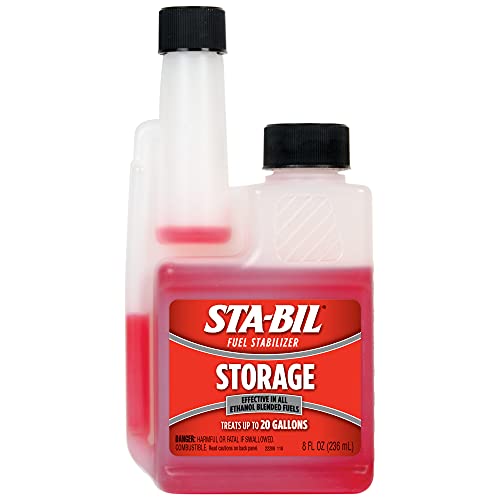
PRESERVES FUEL: This fuel stabilizer ensures keeps gasoline fresh for up to 24 months for storing vehicles that are not in use, boats, outdoor power equipment during winter months, or stocking up on fuel.

Riding Mower Blade: Sharpen, Balance, and Reinstall Safely
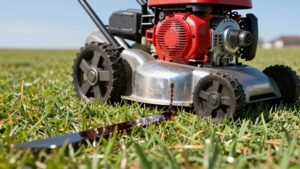
Now that the fresh fuel and oil are in place, turn your attention to the mower’s cutting blade. First, shut the engine, remove the key, and disconnect the spark plug wire. Engage the parking brake, chock the rear wheels, and disengage the PTO. Wear gloves and a mask, then jack the mower or remove the deck for safe access. Raise the deck height, secure the blade with a wood block, and loosen the bolt. Inspect blade condition; replace if bent or cracked. Clean the blade with a wire brush, then clamp it in a vise. Sharpen using a 10‑inch file or angle grinder, keeping the factory angle and 20‑30 strokes per side. Balance by rotating on a nail; file the heavy side until level. Reinstall, match orientation, and torque to spec. This blade maintenance guarantees safe, even cuts. Dull blades cause frayed grass edges that can harbor bacteria. Always double‑check that the blade is fully secured before starting the mower to avoid blade detachment during operation. Regularly sharpening the blade once per season helps maintain optimal cutting performance.

Push blade lawn mower sharpening kit to maintain the cutting power of the blades

SHARPENER AND BALANCER: Universal Blade Sharpening and Balancing Kit for Walk-Behind Mowers, Lawn Tractors and Zero-Turn Mowers

【Wide Compatibility】 Lawn Mower Blade Sharpener compatible with many brand Manual Push Reel Lawn Mowers
Riding Mower Deck & Undercarriage: Scrape, Rinse, and Dry to Prevent Rust
Even if the mower looks clean, rust can start the moment moisture settles in the deck and undercarriage, so you’ll need to scrape, rinse, and dry the components thoroughly before any rust‑preventive coating. Park the mower on a level surface, raise the deck to its highest position, and disconnect the spark‑plug wire. Wear gloves and eye protection, then use a plastic scraper to remove caked grass from the deck, focusing on crevices and baffles. Avoid metal scrapers on painted areas. Attach the washout port if present, and pressure‑wash at low‑to‑medium pressure, followed by a degreaser spray and multiple rinses. Use a leaf blower and clean rags to dry every nook, ensuring no water pockets remain. This efficient washing and thorough drying are essential steps in deck maintenance. Aeration improves soil oxygen levels, which can also benefit nearby lawn care. Rust‑reformer should be applied after drying to convert any remaining rust before painting. Check local regulations before disposing of any hazardous components to ensure compliance with environmental guidelines. Proper body mechanics help prevent strain while handling the mower.
Riding Mower Final Safety Check: Tighten Fasteners, Inflate Tires, Store Properly
Before you start the mower, run a final safety check: tighten every nut and bolt, especially the blade mounting bolts, following the torque specs. Inspect brackets and linkage for looseness; tighten clockwise to prevent vibration loosening and improve vibration dampening. Check the brake service: engage the brakes, adjust if they feel soft, and replace worn pads. Verify tire pressure, inflate to the recommended PSI, and look for cracks or low‑pressure spots. Guarantee belts and blades are secure, and that all safety guards and deflectors are intact. Finally, store the mower in a dry, clean area, disconnect the battery or spark‑plug wires, and lubricate pivot points. Inspect belt for cracks or damage before adjusting tension. Regularly clean the carburetor to prevent fuel system clogs that can cause engine stalling. Use a tension gauge to confirm the belt is set to the proper tightness. Applying a deck cleaning solution can reduce grass buildup and improve mower performance.

Lawnmower Blade Bolt Application Range: The bolt washer set is suitable for various riding and zero-turn mower blades fixing. Compatible with Husqvarna, Craftsman, AYP, Poulan, Poulan PRO, Weed Eater, Roper, Sears and other brands of lawnmowers.

Important tips: Please check the size of the parts required by the machine before purchasing any parts to avoid the trouble of return or exchange.