
Plant your cool‑season grass in Pennsylvania from late August through early October, giving it at least 45 days before the first frost to establish strong roots in soil that’s 50‑65 °F with a pH of 6.0‑6.5. If you miss the fall window, seed in early April‑mid‑May when the soil reaches 50‑55 °F, keeping the top inch moist until seedlings root. For dormant‑season planting, sow late October‑mid‑November after aeration, and consider Zoysiagrass after the last frost when soil hits 70 °F. Follow these steps and you’ll avoid common mistakes while setting the stage for a thriving lawn.
When to Plant Cool‑Season Grass in Pennsylvania
When should you sow cool‑season grass in Pennsylvania? Aim for late August through early October, planting at least 45 days before the first frost. This window gives seedlings two cool growing cycles and avoids the heat of summer. Check preparation requirements early: clear debris, loosen soil to a 2‑inch depth, and facilitate good drainage. Soil testing considerations are critical—use a thermometer to verify temperatures between 50 °F and 65 °F and confirm pH is near 6.0‑6.5. If the soil is too compact, aerate before seeding. In southern regions, wait until soil reaches 70 °F for shifting grasses like Zoysia. Consistent fall rain will keep seed moist, while cooler evenings reduce stress, promoting strong root development before winter. Proper timing ensures the soil temperature stays within the optimal range for germination. Optimal soil temperature for spring seeding in Minnesota typically falls between 55 °F and 65 °F, supporting rapid germination. Selecting the right seed‑to‑soil depth based on grass type can further improve germination rates.

SUN AND SHADE GRASS SEED: This combination lawn seed, grass fertilizer, and soil improver thrives in a variety of conditions
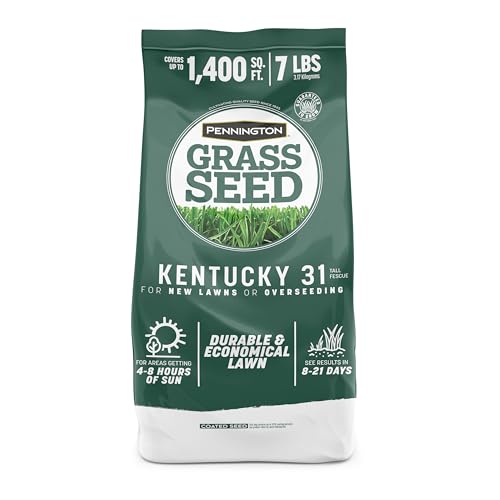
A grass seed for lawns that grows thick blades of grass that stand up to hot summers and heavy rains
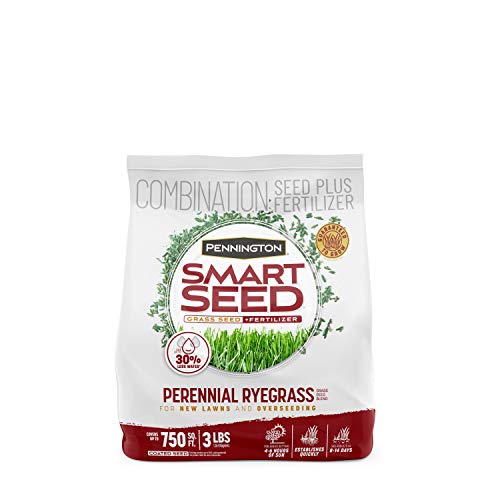
This lawn seed is great for areas getting 4 to 6 hours of sun
Spring Seeding Tips If You Missed the Fall Window
If you missed the fall window, aim to seed your cool‑season lawn between early April and mid‑May when soil temperatures hit 50‑55 °F. First, test the soil and apply soil quality amendments to improve texture and drainage, especially in western Pennsylvania. Spread the seed at the recommended rate, then lightly rake to guarantee good seed‑to‑soil contact. Keep the top inch of soil consistently moist—water lightly each morning, avoiding soggy conditions that can suffocate seeds. Watch for weeds; spot‑treat early to protect establishing grass seedlings. Do not use pre‑emergent herbicides before seeding. As temperatures rise toward 75 °F, reduce watering frequency but maintain moisture until seedlings develop a strong root system, preparing them for summer heat. Cool‑season grasses thrive best when seeded in early spring, establishing a dense lawn before the heat of summer.

HIGH TRAFFIC GRASS SEED - It's great for backyards, sports fields, curb strips, or anywhere aggressive foot traffic from athletes, children, and pets occurs. Our cool-season grass seed mix contains tall fescues and perennial rye turfgrass varieties.

SHADE TOLERANT GRASS SEED - Our grass seed mix has shade-tolerant grass seeds designed for areas where the penetration of sunlight is limited. Perfect for lawns with big trees, large shrubs, or areas shaded by houses or other permanent structures.

Sun and shade grass seed for use in full sun to medium-shaded areas
Dormant‑Season Seeding: Plant Before Winter Freezes
Even though the ground is still chilly, you can sow cool‑season grass now to let nature do the work. Plant you between late October and mid‑November, before the soil freezes solid, to maximize seed establishing. Aerate first, then broadcast seed; the cold stratification will keep it dormant until spring warmth arrives. Freeze‑thaw cycles improve seed‑to‑soil contact, while a thin mulch layer shields against wind and birds. This timing aligns nutrient timing with early spring growth, giving seedlings a head start and reducing weed competition. Cool temperatures increase germination rates, so avoid sowing after mid‑October, as late‑season planting limits root development. Overseed bare patches now, and let winter do the heavy lifting for a healthier lawn. Understanding the soil temperature threshold ensures optimal germination timing. Proper soil preparation enhances seed‑to‑soil contact and promotes uniform emergence.

FULL SUN & PARTIAL SHADE - The Sun & Shade Grass Seed Mix requires full sun to partial shade, making it a great choice for almost every lawn.

APPLICATION: Apply this sun and shade grass seed in the spring or fall to grow a new lawn or overseed an existing lawn to thicken grass and help crowd out weeds
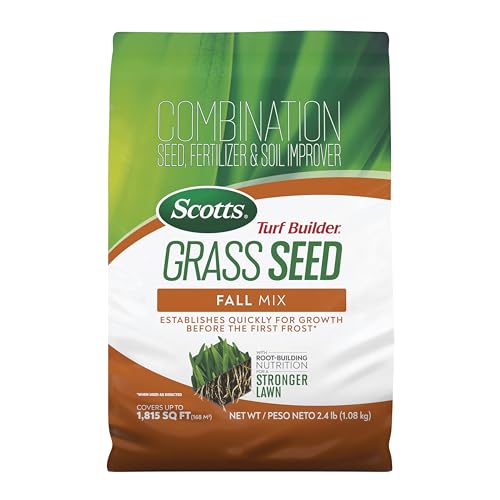
WHERE TO USE: This grass seed mix contains Kentucky bluegrass seed, perennial ryegrass seed, and creeping red fescue; it is designed for full sun and light shade, and has low drought resistance with medium durability
Zoysiagrass Timing for Warm‑Season Grass in PA
Zoysiagrass thrives in Pennsylvania when you plant it after the last frost, once soil temperatures consistently hit at least 70 °F and daytime highs hover around 80 °F. That window falls in late spring to early summer, aligning with USDA zones 5‑7: Zone 5 (May 15‑Aug 1), Zone 6 (Apr 21‑Aug 4), Zone 7 (Apr 15‑Aug 8). Aim for Ideal planting conditions—full sun, seven‑plus hours daily, and soil warm enough to trigger root growth. Before sowing, address soil preparation considerations: loosen the top 4‑6 inches, incorporate a balanced fertilizer, and guarantee good drainage. Avoid planting in March or before the soil reaches 70 °F, as early sowing hampers establishment and increases stress. Water lightly after seeding, then increase to 1‑2 inches weekly as the lawn matures. Selecting a variety with good drought tolerance ensures the lawn remains resilient during dry spells. Proper seed‑to‑soil contact is essential for germination and root development. Successful establishment also depends on soil pH being within the optimal range for Zoysia growth.

A premium mix of Perennial Ryegrass, Kentucky Bluegrass, and Tall Fescue grass seed

A premium mix of Perennial Ryegrass, Kentucky Bluegrass, and Tall Fescue grass seed

IDEAL GROWING CONDITIONS - Specially formulated for Pennsylvania's climate. The best time to apply is mid-August to mid-October, while the ground is still warm and nights are cooler.
Common Mistakes to Avoid in Each PA Region
After planting Zoysiagrass in late spring, the next step is to sidestep the most common mistakes that can ruin a lawn in any Pennsylvania region. First, skip the pH check and you’ll seed a hostile environment; use soil testing strategies to confirm a 5.5‑7 range before seeding. Aerate compacted ground; without it, seeds lose contact and get blown away. Remove debris and weeds to prevent competition. Apply seed at the recommended depth—no deeper than its length—and keep mulch application rates thin enough to retain moisture without smothering seedlings. Use a spreader for even distribution, water consistently until germination, then shift to deeper, less frequent watering. Finally, add starter fertilizer at planting and follow up with balanced feedings to sustain growth. Consider the seed‑rate guidelines to ensure proper coverage based on lawn size. Incorporate a soil aeration step early in the process to improve root penetration and water infiltration. Remember that timing is crucial, especially in the cool‑season window when temperatures and moisture levels are optimal for germination.