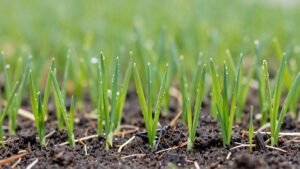

Start fertilizing in early spring once the soil stays at 50 °F or higher, using a slow‑release nitrogen to boost root growth without leaching. Apply a light, water‑soluble feed (≈1 lb per 1,000 sq ft) as the grass begins to green, and pair it with a pre‑emergent to curb crabgrass. Reduce nitrogen by 25‑50 % in early summer, then give a mid‑September boost, finishing by early October in northern Michigan. Follow these timing cues and you’ll keep a dense, weed‑resistant lawn all year; the next sections reveal detailed seasonal formulas and grass‑type tweaks.
Learn the Michigan Lawn‑Care Calendar
When snow melts in March, it signals the start of Michigan’s lawn‑care calendar, so you should clear debris, sharpen mower blades, and gently rake thatch while the ground is dry. You’ll then assess soil temperature; if it’s consistently above 50 °F, schedule your first nitrogen application timing for late March or early April. Use a slow‑release nitrogen source to support root development without leaching. Simultaneously, check micronutrient supplement requirements—iron, manganese, and zinc often dip after winter, so apply a balanced micronutrient blend if soil tests show deficiencies. Keep equipment serviced and monitor weather forecasts to avoid cold snaps that could reduce fertilizer efficacy. This data‑driven approach maximizes early‑season growth and sets a solid foundation for the rest of the year. Timing is crucial for aligning fertilizer application with optimal soil temperature and moisture conditions. Proper soil aeration in early fall can further improve nutrient uptake and root health. Fall aeration helps relieve soil compaction and enhances water infiltration.
Schedule Spring Fertilization for Michigan Lawns
Kick off your spring fertilization in Michigan by waiting until the soil consistently reaches above 50 °F and the grass has started to green up—typically in May, after the last frost. Apply a light, water‑soluble nitrogen feed (about 1 lb per 1,000 sq ft for Kentucky bluegrass or perennial ryegrass) right as the lawn shows active growth. This timing aligns with ideal soil amendment timing, ensuring nutrients support root development rather than excessive top growth. Follow Michigan State University Extension guidelines and avoid any application before May, even if frozen soil thaws earlier. Integrate this step into your broader lawn renovation schedules, coordinating with aeration or overseeding to maximize spring vigor and summer drought resilience. Milorganite should be applied after the last frost when daytime temperatures are consistently in the 60s. Proper soil testing helps confirm nutrient needs and prevents over‑fertilization.

Contains chelated minor elements
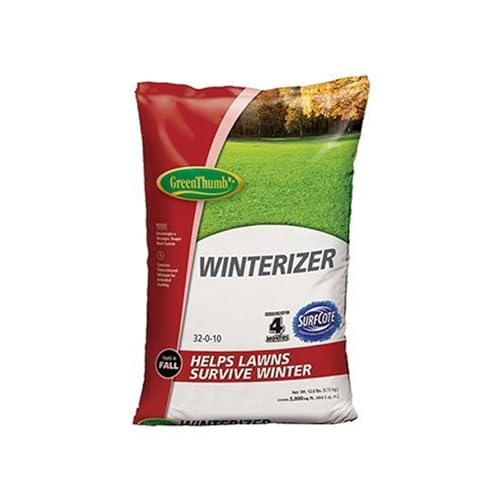
Helps your lawns to survive the winter stress
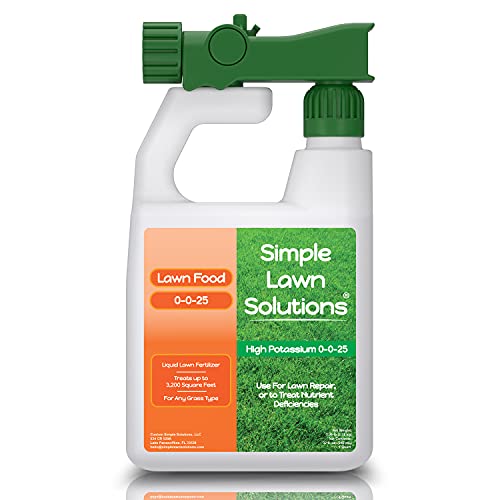
Plant Hardiness: Potassium Promotes Turf Grass Hardiness, Helping Lawns Prepare For Temperature Change and Stressful Conditions. Potassium Deficient Lawns Can be Less Resistant to Stress. Great to use in the Summer and Fall.
Choose Spring Fertilizer: Slow‑Release N or Pre‑Emergent
Because Michigan’s spring soil warms unevenly, you’ll want a fertilizer that delivers steady nitrogen without risking leaching, and you may also need a pre‑emergent herbicide to block crabgrass before it sprouts. Choose a slow‑release nitrogen product that spreads its 19‑25 % N over 8‑10 weeks; this balanced nitrogen release matches the gradual rise in soil temperature factors and cuts off‑site movement. Look for labels such as 20‑5‑15 or 6‑4‑0, which also supply phosphorus for root development and potassium for drought resilience. Apply in early to mid‑April once soil reaches 55 °F, avoiding urea below that threshold. Pair the fertilizer with a pre‑emergent applied in March‑May to suppress crabgrass, ensuring a uniform, green lawn throughout the growing season. Ammonium sulfate is a preferred nitrogen source in low‑sulfur regions. Understanding soil pH helps ensure nutrient availability and prevents lock‑out. Proper storage can extend a fertilizer’s effectiveness, as shelf life is impacted by moisture and temperature exposure. Monitoring soil temperature before application helps avoid premature nitrogen loss.

3 key lawn treatments in one easy application prevents crabgrass, kills weeds, and feeds your lawn
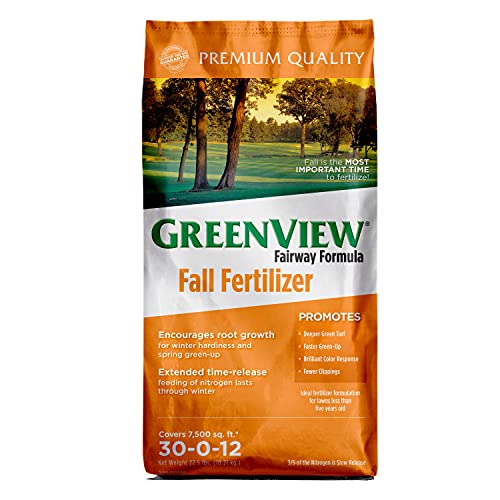
For Lawns: This grass fertilizer for lawns encourages deep root growth, brilliant lawn color, and thick lush growth

🌿 Balanced 10-10-10 Granular Fertilizer for Outdoor & Indoor Plants: All-purpose plant food with 10% Nitrogen, 10% Phosphorus, and 10% Potassium. Perfect for outdoor vegetable gardens, fruit trees, evergreens, shrubs, lawns, and flowers. Also great for potted plants and indoor gardening. One solution for all your plant needs!
Plan Summer Feeding Strategies for Michigan Lawns
If you wait until early June to feed your Michigan lawn, you can boost growth before the peak heat while keeping nitrogen levels 25‑50 % lower than spring applications, which reduces burn risk and runoff. Apply a slow‑release fertilizer in the early morning or late evening, when temperatures are below 75 °F, to maximize coverage and minimize nutrient loss. Use the label’s square‑foot rate, then reduce nitrogen by one‑quarter to one‑half. Water immediately after spreading, delivering at least one inch of moisture, and follow with a deeper soak 24–48 hours later. Keep mower blades sharp and set the deck higher than usual to shade soil and retain moisture. Monitor forecasts; skip applications before heavy rain to prevent runoff. Consider aerating during early spring to improve soil penetration and nutrient uptake. Mowing frequency should be adjusted to avoid cutting more than one‑third of the blade length at a time, promoting a healthy root system. Proper timing of aeration can also enhance nutrient absorption during the growing season.

Bundle of 2 items: One 32 lb bag of Milorganite 6-4-0 fertilizer and one printed feeding and spreader tips brochure with seasonal application guidance

Formulated to give you a green turf with minimum effort in southern and cool season grasses.
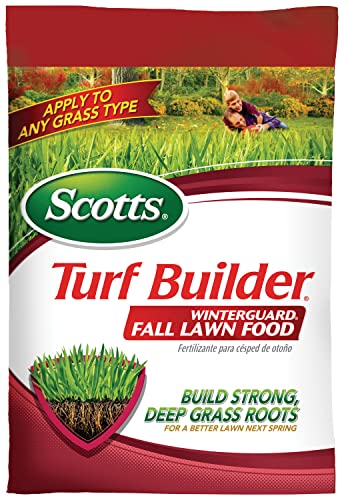
FALL LAWN FERTILIZER: Scotts Turf Builder WinterGuard Fall Lawn Food is a fertilizer that builds strong, deep grass roots for a better lawn next spring
Pick Summer Fertilizer: High‑Potassium Disease‑Resistant Blend
High‑potassium, disease‑resistant blends—like a 7‑0‑20 or 20‑5‑15 formula—provide the ideal mix for Michigan’s cool‑season lawns during summer heat. You should pick a product whose potassium ratios fall between 25‑50 % of the nitrogen rate, ensuring steady stress protection without excessive growth. A recent soil sample analysis will tell you whether your turf sits below the 120 lb/acre potassium threshold; if it does, apply the high‑potassium blend at 2 lb per 1,000 sq ft. Choose a slow‑release formulation to deliver nutrients through May‑July, and pair it with moderate nitrogen to keep grass green but not dormant. This data‑driven approach maximizes disease resistance and heat tolerance for Kentucky bluegrass and tall fescue. Proper soil health is essential for nutrient uptake and overall turf vitality. Following a soil test before application helps confirm nutrient needs and prevents over‑fertilization. Visual signs such as yellowing grass often indicate a potassium deficiency.

Plant Hardiness: Potassium can promote turfgrass hardiness, helping lawns prepare for temperature changes and stressful conditions. Potassium deficient lawns can be less resistant to stress. Great to use in the Summer and Fall.
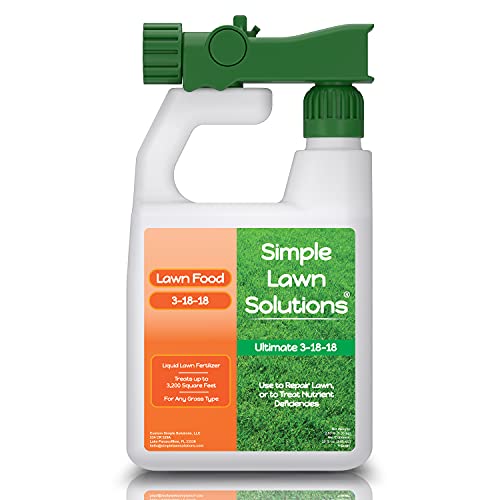
High Phosphorus, High Potassium Lawn Food: If your lawn is showing symptoms of a Phosphorus and Potassium deficiency or if you want to maintain lawn health then this is the correct fertilizer for you!

This Potash fertiliser 0-0-50 is refined pure sulphate of potash, chloride-free, supplying concentrated potassium only.
Schedule Fall Fertilization for Michigan Lawns
When the first cool evenings arrive in early September, you should schedule your fall fertilization to take advantage of Michigan’s ideal nutrient‑uptake window. Apply a slow‑release nitrogen product—sulfur‑coated or polymer‑coated urea—mid‑September, then a second dose around Halloween or Thanksgiving. Target 1 lb per 1,000 sq ft for fine/tall fescues, ryegrass, and Kentucky bluegrass. Because phosphorus restrictions limit applications unless a soil test shows a deficit, focus on nitrogen and potassium. In northern Michigan, finish by early October to beat the first frosts. Space applications 6–7 weeks apart, monitor rainfall for absorption, and avoid fast‑release urea that fuels excess top growth. This timing strengthens roots, densifies turf, and preps the lawn for winter dormancy. Fertilizing in the fall enhances lawn density and helps it stay competitive with crabgrass and broadleaf weeds. Following a soil test each year ensures you apply the correct nutrient balance. Proper timing also reduces the risk of nutrient leaching during heavy fall rains. Applying the right rate maximizes nutrient use efficiency and supports a healthy root system.
Select Fall Fertilizer Formulas for Each Grass Type
After scheduling your fall applications, choose a formula that matches your grass species. For Kentucky bluegrass and fescue, a 12‑0‑24 blend with 12 % slow‑release nitrogen and 24 % potassium delivers frost‑hardiness while keeping color steady; apply 0.5‑1 lb nitrogen per 1,000 ft² in late fall. If you have a mixed cool‑season lawn, the 24‑0‑6 Flagship product, 50 % slow‑release nitrogen, can be spread every 30 days until mowing stops, supporting recovery after summer stress. Add humic acid, sea kelp, iron, magnesium, and manganese to address micronutrient considerations and boost uptake. Test soil nutrient levels before adding phosphorus—most Michigan soils need little, so limit it unless a deficiency is confirmed. This data‑driven approach maximizes root health and winter resilience. Proper timing of fertilizer application can also help prevent heat stress during the hot Texas summer months. Avoid applying fertilizer when soil temperatures exceed 85 °F to prevent nutrient burn and stress. Applying fertilizer during the optimal temperature window maximizes nutrient absorption and promotes stronger root development.

Application 4 of The Andersons Lawn Program
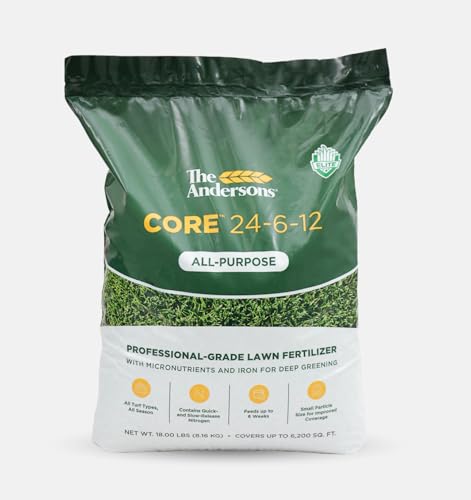
Formulated with the perfect 4:1:2 (24-6-12) ratio for high-performance results Includes iron and micronutrients for total nutrition. Super-fine particles provide even distribution, with twice the number of particles per square foot.

WINTER LAWN PROTECTION: Specially formulated winter lawn fertilizer helps grass survive harsh winter conditions and promotes early spring green-up for a healthier lawn.
Adjust Your Schedule for Northern vs. Southern Michigan
Because Michigan’s climate varies sharply from north to south, you’ll need two distinct fertilization timelines. In the north, temperature variances push the growing season later; start with a slow‑release nitrogen blend in mid‑late May once soil reaches 55 °F, then finish fall applications by early October, especially in microclimate zones like Traverse City where frost can appear in September. In the south, warmer conditions let you begin early‑mid May and extend the fall program to mid‑late October, using the same slow‑release formula to sustain growth. Adjust the late‑summer window to early September‑early October up north and late August‑late October down south. Align each step with local microclimate considerations to avoid leaching and maximize nutrient uptake before frost. For optimal results, follow the recommended soil moisture levels during watering.
Apply Grass‑Specific Tips for Fine Fescue, Ryegrass, Bluegrass
Two to fertilization schedules keep Fine Fescue, Ryegrass, and Bluegrass healthy across Michigan’s climate zones. For Fine Fescue, limit total nitrogen to 1–2 lb per 1,000 ft² annually, applying 0.5–1 lb in early spring (mid‑April) and 1 lb in September or November. Avoid overfeeding; exceeding 2 lb triggers weed pressure and thinning. Ryegrass follows a simpler pattern: 1 lb in spring (May/June) and 1 lb in fall, with no summer applications unless a light 0.5 lb boost is required. Bluegrass mirrors ryegrass but permits a modest summer dose of 0.5–1 lb in July‑August for vigor. Stick to these nitrogen needs, monitor soil temperature, and keep applications spaced 6–8 weeks apart to prevent overfeeding and maintain consistent, lush turf.