

You’re backfiring because the ignition, fuel‑air mix, or timing is out of sync, causing unburned fuel to ignite in the exhaust. A rich mixture or fouled spark plugs let excess fuel burn late, while a lean mix or worn ignition coil can cause premature sparks that pop. Faulty timing from a bad crankshaft sensor, stretched belt, or sheared flywheel key also mis‑fires. Overheating, clogged filters, or old fuel further destabilize combustion. Keep reading to uncover how to fix each issue.
Why Do Lawn‑Mower Backfires Happen?
Sometimes a lawn‑mower backfire starts with a spark‑plug problem. You should check the plug gap first; an incorrect gap creates timing interruptions that let unburned fuel ignite in the exhaust. Inspect the plug wires and boots for wear, because any resistance disrupts the electrical current needed for consistent sparking. Examine the ignition coil; a malfunction reduces spark energy each rotor pass, producing repeated backfires. Electrical system issues also include faulty flywheel keys that shift timing, causing the spark to fire at the wrong crank angle. Next, evaluate the carburetor. Improper carburetor tuning delivers an incorrect fuel‑to‑air ratio, enriching the mixture and allowing excess fuel to ignite outside the combustion chamber. Adjust the carburetor to manufacturer specifications and verify that the fuel solenoid closes properly. By systematically addressing these electrical and carburetor factors, you eliminate the primary causes of backfiring. Bent exhaust valve can also cause a backfire by allowing fuel to ignite in the exhaust. A clogged fuel filter can prevent proper fuel flow, leading to a lean mixture that contributes to backfiring. A clogged air filter can restrict airflow, creating a rich mixture that promotes backfiring.
How Does a Rich Fuel‑Air Mix Cause Backfires?
Typically, when a lawn‑mower runs with an overly rich fuel‑air mixture, the excess fuel can’t be fully burned during the power stroke, so unburned vapor remains in the cylinder as the exhaust valve opens. That vapor ignites when it meets hot exhaust gases, creating a pressure spike that forces a backfire. The rich mix also shifts ignition timing; the spark plug fires late, allowing fuel to detonate during the exhaust stroke. Improper carburetor adjustments—such as clogged jets, faulty floats, or worn needle valves—deliver too much fuel, while neglecting fuel system maintenance schedules lets deposits accumulate, worsening the ratio. Elevated combustion temperatures further accelerate vapor ignition, repeating the misfire cycle each engine revolution and producing audible backfires.

Wide Compatibility: This carburetor tool set is compatible with a wide range of small engine equipment from major manufacturers like Stihl, Poulan, and Echo. Warm Notice: This toolkit is not compatible with Walbro carburetors that require the 22-teeth splined carburetor adjustment tool.

Hipa pack of 14 carburetor adjustment tool compatible with ZAMA, Walbro, STHIL, Husq-varna, Craftsman, Poulan, Weedeater, Echo, Homelite, Ryobi, MTD, Troy-Bilt, Toro, Sears, Ruixing, Huayi; string trimmer, chainsaw, leaf blower, hedge trimmer, edger, pole pruner and anything else that utilizes the carburetor adjustment tools.
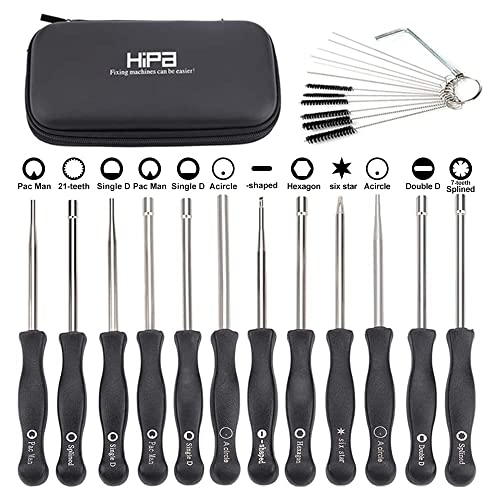
Carburetor adjustment tool kit, fits for ZAMA, STHIL, Husqvarna, Poulan, Weedeater, Echo, Homelite, Ryobi, MTD, Troy-Bilt,Toro, Sears, Ruixing, Huayi; string trimmer, chainsaw, leaf blower, hedge trimmer, edger, pole pruner and anything else that utilizes the carburetor adjustment tool.
Why Can a Lean Mixture Produce Explosive Pops?
When the air‑fuel ratio leans out, excess oxygen lets unburned fuel survive the power stroke and spill into the hot exhaust, where it ignites prematurely and creates the sharp, explosive pops you hear during deceleration. You’ll notice this phenomenon when the improper air fuel ratio starves the cylinder of fuel, forcing the mixture to burn slowly and extend into the exhaust stroke. The overheated exhaust system then acts as a spark plug, igniting the unburned fuel as it passes. A lean condition often stems from a clogged carburetor, low fuel pressure, or a failing pump, all of which limit fuel delivery. Rapid throttle closure heightens the effect, and alcohol‑blended gasoline can exacerbate the pop frequency. Adjust the carburetor, clean filters, and avoid abrupt engine shutdowns to suppress these explosive bursts. Priming the engine with the choke on can also leave extra fuel in the exhaust, leading to occasional pops when restarting. Properly checking the fuel line ensures consistent fuel flow and helps prevent lean‑related backfires. Dead battery issues can also cause the mower to stall, increasing the likelihood of backfires when the engine finally revs. A faulty air filter can reduce airflow, further leaning the mixture and intensifying backfire symptoms.
What Faulty Spark Plugs Do to Your Mower’s Exhaust?
If your mower’s spark plugs are fouled or worn, the exhaust will betray the problem with black smoke, a strong gasoline odor, and occasional popping. A weakened spark fails to fully ignite the fuel‑air charge, producing a rich fuel mixture that exits the cylinder unburned. This creates visible exhaust smoke and a thick, carbon‑laden plume. The excess fuel also leaves a lingering gasoline smell and can cause intermittent popping as unburned vapor ignites in the muffler. Carbon deposits on the plug electrode further impede spark formation, worsening the rich mixture and amplifying smoke output. As the plugs deteriorate, you’ll notice higher fuel consumption, reduced power, and a consistently murky exhaust, confirming the plug’s critical role in combustion efficiency. Ignoring spark plug wear can lead to engine misfires and severe engine damage. Regularly inspect the spark plug using a spark tester to ensure reliable ignition. Proper ventilation during inspection helps prevent fuel vapor buildup in the work area.

【Honda Lawn Mower Tune Up Kit】Air Filter Replace # Honda 17211-Z8B-901. Fuel Filter Replace # Honda 16952-Z8B-000. Spark Plug Replace # NGK BPR6ES F6RTC

Strong compatibility: Suitable for various Husqvarna models of lawn mowers, including LC221A, LC121P, HU625AWD, HU675HWT, 5521P, etc., with a wide range of adaptability, it can meet the needs of different users for specific models of spark plug replacement,Fit for Toro Recycler 22 inch 20332 20333 20334 20339 20340

Ignition Coil and Spark Plug kit for Briggs & Stratton 594626 595038 595304 592841 795315 799650 Engine
How Bad Ignition Timing Triggers Backfires?
Why does a mistimed spark cause a backfire? When the spark occurs after the intake valve has begun to close, unburned fuel remains in the cylinder and ignites as it enters the exhaust. A Crankshaft position sensor failure shifts the calculated spark angle, delivering the spark too late in the cycle. Likewise, a sheared flywheel key or worn ignition coil can misalign timing, causing premature ignition that forces the explosion into the exhaust port. If the timing belt is stretched, you’ll need a timing belt replacement requirement to restore proper valve‑to‑spark synchronization. The result is a pressure wave that bursts out of the muffler, producing the characteristic pop and flame. Correcting sensor output, coil health, and belt tension eliminates the timing‑induced backfire. Improper spark plug gap can also cause a backfire by allowing the mixture to ignite at the wrong moment. A faulty ignition coil can be identified by testing its continuity with a multimeter. Multimeter resistance check can verify the solenoid’s proper operation before replacement. Properly adjusting the fuel‑air mixture during the initial start‑up helps prevent excess fuel that can lead to backfires.

Compatible with Briggs & Stratton 401000 405000 407000,18-22HP Intek V-Twin Engine

Replaces Part Numbers: 32-584-06-S, 3258406-S, 3258406, 32 584 06-S,3258406S, 32 584 06 S. Please carefully compare the picture and ignition coil part number to confirm the correct part

High quality replacement for Lawnboy 99-2911 99-2916 92-1152 ignition coil and Briggs and Stratton 684048 684049 Dura Force ignition coil and 801268 ignition coil
Why Stuck or Leaking Valves Let Fuel Escape?
Because a valve that won’t seal lets the air‑fuel mixture slip past the combustion chamber, unburned fuel can travel into the intake or exhaust passages and ignite where it shouldn’t. When a valve sticks open or leaks, the pressure differential during the intake stroke pulls fuel past the valve seat into the intake manifold or exhaust pipe. This excess fuel mixes with hot gases, creating a secondary ignition source that appears as a backfire. The problem often stems from worn seats, glazed surfaces from stale fuel, or insufficient oil cooling that causes valve seizure. Correcting it requires precise valve clearance adjustments and a thorough carburetor cleaning and tuning to restore proper sealing and prevent fuel escape. Stale fuel can cause the valve surfaces to become glazed and stick, leading to the described backfire condition. Properly storing the mower over winter, as described in the winterizing guide, helps prevent fuel degradation that contributes to valve issues. Regular inspection of the fuel filter can also catch early clogging before it affects valve performance.
How Overheating Leads to Premature Fuel Ignition?
What happens when the engine’s cooling system fails and temperature spikes beyond design limits? You’ll see thermal overload effects that raise chamber temperature, causing the fuel‑air mixture to vaporize early. The excess heat advances ignition timing, leading to ignition timing disruption. As the spark plug reaches its ideal gap later than expected, the mixture ignites before the piston reaches top dead center, producing a pre‑ignition event. This premature burn raises pressure, forces the exhaust valve open early, and can create a backfire. Overheating also degrades spark plug insulation, shortening the spark duration and further destabilizing timing. The net result is a rapid, uncontrolled combustion cycle that manifests as a backfire. Insulation degradation can allow shorting between coil windings, exacerbating the backfire issue. Properly maintaining the battery’s charge cycle helps prevent voltage drops that could worsen ignition timing errors. Regularly inspecting the crankcase for worn seals can stop oil from leaking onto hot components that might otherwise ignite. Using a blade that is sharpened regularly ensures efficient cutting and reduces engine load.
What Sudden Throttle Cuts Do to Exhaust Ignition?
When you snap the throttle closed, the sudden drop in manifold vacuum instantly reduces the fuel drawn through the idle circuit, creating a brief lean condition that can leave unburnt fuel in the exhaust. The rapid vacuum fall‑off creates a dead spot between idle and main circuits, and if the accelerator pump fails to deliver its compensating shot, the lean mixture persists. Simultaneously, ignition timing disruption occurs: the spark advances or retards unexpectedly, igniting the residual fuel in the exhaust port. Exhaust gas buildup follows because the cut limits scavenging, raising backpressure and prompting premature combustion. The combined effect produces a sharp pop or backfire, often accompanied by a brief stall. Inspect the pump, ignition coil, and exhaust for blockages to eliminate the issue. A worn accelerator pump can prevent the necessary fuel shot, worsening the lean condition. Always work in a well‑ventilated area when handling fuel to avoid inhalation of harmful vapors. A clogged air filter can also restrict airflow, intensifying the lean condition during rapid throttle changes.
How Old or Contaminated Fuel Sparks Backfires?
If you fill a mower with gasoline that’s sat for months, the fuel’s chemistry has already shifted, and those changes set the stage for backfires. Oxidation darkens the liquid, produces a sour odor, and creates gum that clogs carburetor jets. Water condensation from seasonal fuel storage adds moisture, leading to rust, valve sticking, and incomplete combustion. Ethanol‑heavy blends accelerate degradation, producing an overly rich mixture that ignites in the hot exhaust. The resulting unburned fuel ignites prematurely, causing a backfire. To prevent this, perform regular fuel system maintenance: drain stale gasoline, clean carburetor varnish, and use low‑ethanol fuel. Store fresh fuel in airtight containers and replace it each season to avoid these ignition triggers. Proper disposal of old fuel helps protect the environment and prevents chemical degradation.

New Standard of Antioxidants and Anticorrosives

Product Type: Auto Accessory

Step‑by‑Step Checklist to Stop Mower Backfires?
Even a well‑maintained mower can backfire when any part of its fuel‑air‑ignition system is out of spec, so a systematic inspection is essential. First, remove the air filter, inspect for debris, clean or replace, then verify Proper air filter installation and that the housing seals correctly. Next, disconnect the fuel line, drain the carburetor, and perform Carburetor synchronization by cleaning jets, adjusting idle and mixture screws, and confirming the fuel‑air ratio. Inspect the spark plug; measure the gap, clean electrodes, replace if fouled, and torque it to spec. Check valve clearances with feeler gauges, adjust rocker arms, and retorque the cover. Finally, run the engine at idle, observe for backfire, and repeat any step if the issue persists.
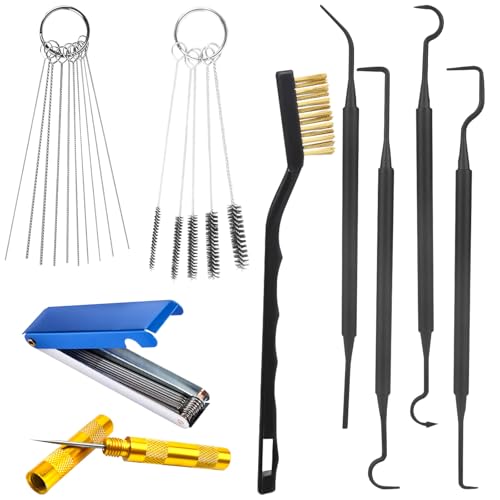
【Material】Engineered for performance and longevity, our carburetor cleaning kit utilizes high-grade stainless steel and tough nylon. The stainless steel components offer reliable strength and are designed to maintain their integrity, while the nylon brushes effectively scrub sensitive parts without causing damage. This thoughtful material selection provides a consistent and dependable cleaning experience through repeated use on various projects.
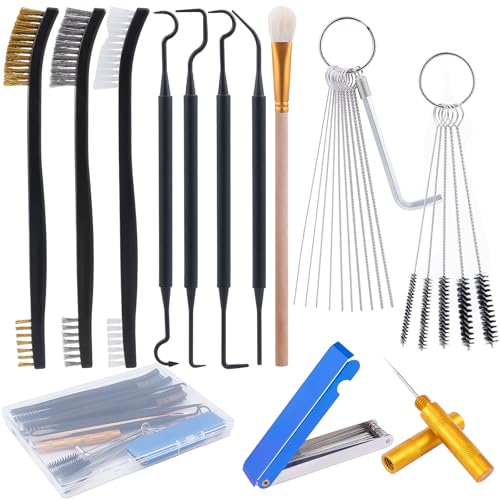
Complete 33-Piece Carb Cleaning Kit – Includes 13 stainless steel cleaning wires, 5 nylon brushes, 10 cleaning needles, 1 throttle wrench, 1 pointed tweezers, 3 double-ended brushes, and 4 hooks. Everything you need as a carb cleaning tool set in one box

Fast-acting immersion cleaner