
You can sow grass seed as soon as glyphosate falls below phytotoxic levels, which usually means waiting three days after a standard lawn‑grass Roundup and up to seven days for concentrate or pre‑emergent blends. Verify the label for any pre‑emergent additives that might extend the wait, and consider a quick soil bioassay to confirm degradation. Adjust soil pH or add organic matter if residues linger. The next section explains how to test your soil and choose tolerant grass varieties.
How Fast Does Glyphosate Break Down in Soil?
Although glyphosate’s persistence varies widely, most field studies show a half‑life of roughly 30–60 days, with reported ranges from 2 to 197 days depending on soil and climate. You’ll find that microbial degradation factors dominate the breakdown: aerobic bacteria accelerate conversion to AMPA, while low microbial biomass or anaerobic conditions can extend half‑life dramatically. Environmental binding effects also matter; strong adsorption to clay, iron, and aluminum oxides (coefficients 0.6–303 L/kg) reduces bioavailability, slowing microbial attack. Temperature, moisture, pH, and organic matter further modulate rates—cooler, compacted soils preserve glyphosate, whereas warm, moist, organic‑rich soils promote faster decay. AMPA, the primary metabolite, persists longer and is more toxic, so its formation and lingering presence must be considered when planning seeding. The rate of degradation is also influenced by soil organic matter content, which can either bind glyphosate or provide nutrients for degrading microbes.
How Long to Wait After Each Roundup Formula Before Seeding?
When you plan to seed after a Roundup application, the waiting period depends on the specific formula and target plant type. For Roundup® Weed & Grass Killer, wait 1 day for ornamental flowers, 3 days for lawn grasses, 14 days for non‑conifer trees and shrubs, and 30 days for conifers. The Concentrate version extends the lawn‑grass interval to 7 days. Dual Action 365 products require a 12‑month pause because they contain a pre‑emergent herbicide that blocks germination. Dual Action Plus 4‑Month Preventer demands a 4‑month wait for ornamental bedding, trees, shrubs, sod, and seed. Poison Ivy Plus Tough Brush Killer follows the same schedule as the standard formula, with 7 days for lawn grasses. Alternative roundup application methods can shorten exposure, but the benefits of delayed seeding—higher germination rates and reduced phytotoxicity—remain critical. Roundup must land on a plant’s foliage to be effective. Proper soil moisture management after seeding further supports seedling vigor. Using personal protective equipment helps prevent accidental contact with herbicide residues.

LAWN BARE SPOT REPAIR: Scotts PatchMaster Lawn Repair Mix Sun + Shade Mix is a combination mulch, seed, and lawn fertilizer product specifically designed to provide all-in-one bare spot repair and grass patch repair for lawns

SUN AND SHADE GRASS SEED: This combination lawn seed, grass fertilizer, and soil improver thrives in a variety of conditions
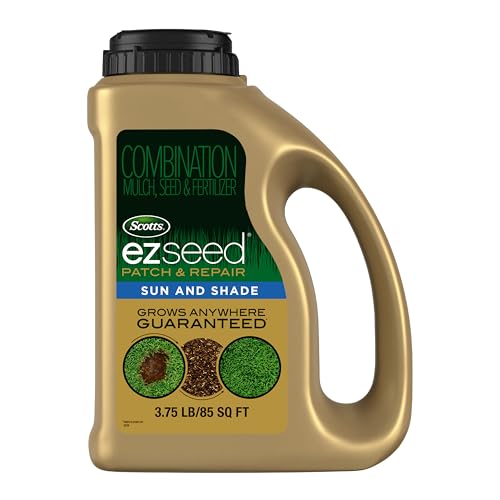
WHEN TO APPLY : This lawn seed mix of Kentucky bluegrass seed, perennial ryegrass, and fine fescue grass seed germinates best when daytime temperatures are between 60°F and 80°F with no danger of frost
Glyphosate Waiting‑Period Soil Test: Quick Step‑by‑Step Guide
Three simple steps let you determine whether glyphosate residues remain in your soil before you reseed. First, perform soil profile preparation: collect cores from the top 2‑3 inches (or 4‑6 inches for sandy soils), combine representative subsamples, and remove plant debris. Second, follow the GlyphoCheck kit application methods improvement: add one scoop of the mixed soil to vial #5, introduce 3.5 mL extraction solution, cap, shake for 30 seconds, and let settle 5 minutes. Third, dilute the settled extract: draw 0.5 mL into vial #1, mix, cap, shake 30 seconds, and settle 2 minutes before testing. Compare the assay result to a herbicide‑free control; matching healthy growth indicates safe reseeding, while any inhibition confirms residual glyphosate. The waiting period may vary based on soil type and recent rainfall. Understanding herbicide mobility helps predict how quickly glyphosate breaks down in different environments. The efficacy of the test can be enhanced by soil pH adjustments, which affect glyphosate binding.

RECOMMENDED FOR: This test is for targeted analysis of glyphosate (also called RoundUp). Glyphosate is the most commonly used herbicide in the US. It's health effects are debated, and scientists are continuing to evaluate long-term exposure effects.

GLYPHOSATE IS A TOXIC CARCINOGEN found in over 1,700 products (mostly in weed-killing herbicides like Roundup). Glyphosate has been detected in more than 80% of U.S. water supplies. The USEPA's MCL for Glyphosate in drinking water is 700 PPB. However, no amount of Glyphosate is safe to consume.
What to Do If Your Soil Test Still Shows Glyphosate?
Is your follow test still detecting glyphosate? First, repeat a bioassay: plant fast‑germinating seeds in the sample and watch for poor growth, which confirms persistent residue. While waiting for degradation, boost microbial breakdown by adjusting soil pH—apply lime if pH is below 6.0—and keep moisture at 50‑70 % of field capacity. Add compost or biochar to increase organic matter and microbial activity. Consider a one‑time activated‑charbon (1‑2 lb per 100 sq ft) to bind residual glyphosate. Conduct follow‑up tests every 7‑10 days, using lab analysis if bioassay fails. Track temperature above 60 °F and weed regrowth as degradation indicators. Continue until two consecutive negative results before seeding. Incorporating a mulch barrier can further suppress weed emergence while the herbicide breaks down. Properly installing landscape fabric under the mulch enhances drainage and long‑term weed control. Using a layer of organic mulch can also retain moisture and regulate soil temperature, supporting healthier seed germination.

Temperature Regulator: Charcoal absorbs and retains the heat of sunlight, so that the soil temperature is regulated and seeds are promoted to germinate.If you want indoor plants to grow healthily, horticultural charcoal is an ideal choice
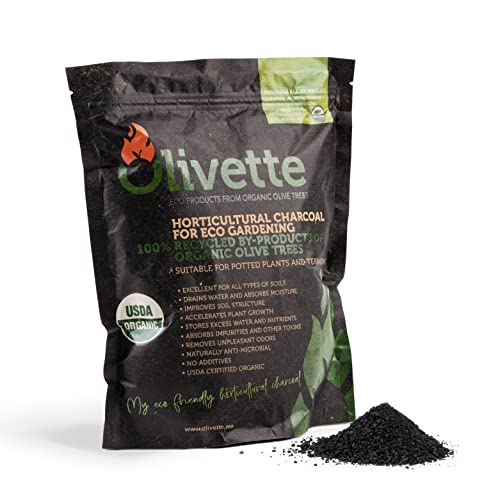
Premium Olive-Derived Activated Charcoal: Olivette's Biochar formula is made from recycled olive pits, pulp, and prunings, ideal for improving soil for indoor plants. It provides excellent moisture control while promoting sustainability and reducing waste.
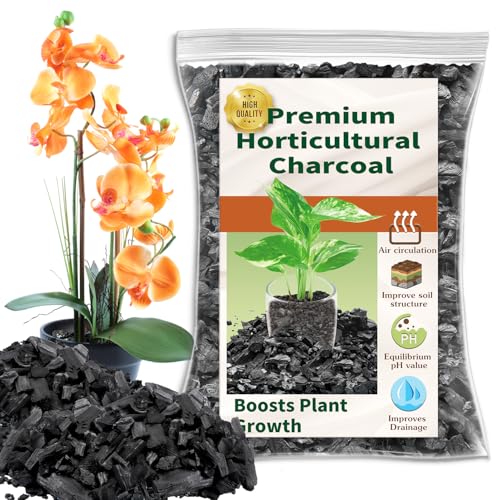
[Exceptional Drainage]: The porosity of horticultural charcoal helps drain excess water, especially beneficial for containers without drainage holes, creating a keep fit environment for plant roots
Grass Varieties That Tolerate Glyphosate Residue
If your soil still shows glyphosate, you can keep the lawn alive by selecting turf that tolerates the residue. Roundup‑Ready Kentucky bluegrass, engineered in 2011, survives standard glyphosate rates and lets you control weeds without killing the lawn. However, it carries pollen contamination risks, potentially transferring the transgene to nearby non‑GE bluegrass. Glyphosate‑resistant creeping bentgrass offers similar tolerance and is used on golf courses; gene escape has been documented, raising concerns about unintended spread. Tall fescue tolerates lower glyphosate doses and is naturally occurring, yet pollen movement can introduce resistance traits into wild populations, fueling glyphosate‑resistant weeds. Perennial ryegrass, selected for modest tolerance, also poses pollen contamination risks but provides a practical option where spot‑treatment is needed. Choosing a variety with strong soil compatibility can help ensure successful establishment after herbicide use.

WHERE TO USE: This zoysia grass seed mix is guaranteed to grow in tough conditions with proper care, including in full sun and partial shade, in heat and drought, in high traffic areas, and even on slopes
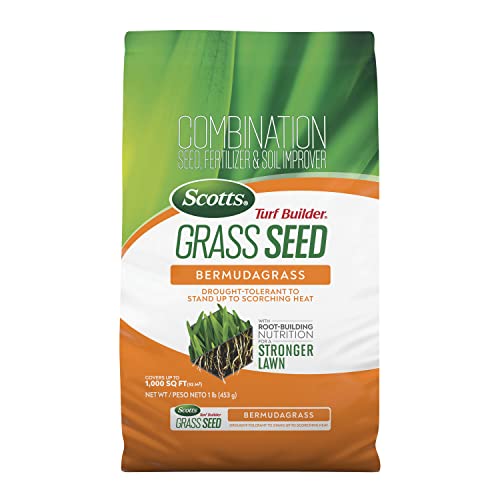
The redesigned Scotts Turf Builder Grass Seed Bermudagrass is drought-tolerant to stand up to scorching heat and features Root-Building Nutrition for a stronger lawn
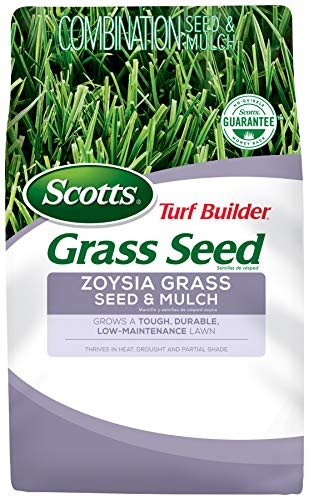
Zoysia grass seed & mulch is designed for full sun and light shade
Timing Tips: Same‑Day to 7‑Day Delays After Application
Because glyphosate acts only on foliage and has no residual soil activity, you can seed the same day without harming emerging seedlings. In practice, you may broadcast grass seed within an hour after a standard Roundup application; field reports and Purdue Turf guidance confirm no herbicide carryover concerns for immediate planting. For a cautious approach, follow product‑specific safe replanting intervals: Roundup Weed & Grass Killer4 permits seeding three days post‑application, while its concentrate formulation recommends a seven‑day wait to allow full translocation and weed die‑back. Ornamental‑type formulas often allow one‑day delays. Verify the label for any pre‑emergent additives that could affect germination, and use soil bioassays or visual weed decay as supplemental checks before seeding. Applying herbicide to damp foliage can dilute efficacy and increase runoff risk. Proper timing can also reduce the likelihood of non‑target damage to nearby desirable plants.
Troubleshooting Failed Grass Seedings After Roundup Use
Often the most common cause of a failed grass seeding after Roundup is residual herbicide activity that the label didn’t flag, and a quick soil bioassay can confirm whether the soil is still toxic to seedlings. Conduct a bioassay on a small plot; zero germination signals you must wait longer. Check product variant: Dual Action 365 needs 12 months, while Weed & Grass Killer4 allows seeding after three days. Avoid pre‑emergent overuse; pre‑emergents linger for 3‑4 months and suppress germination. If you see incomplete weed die‑off, mow and till decaying material before reseeding. Deal with carryover effects by extending the waiting period, re‑testing soil, and ensuring full herbicide uptake (2‑3 hours) before any new seed is placed. The soil bioassay is a reliable method to gauge lingering toxicity. Proper moss control can prevent future competition for nutrients and water.
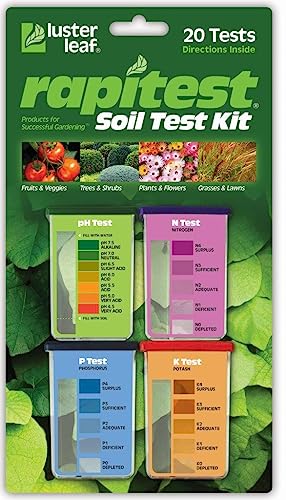
Quick, at home results for Soil pH, Nitrogen, Phosphorous and Potash Innovative and inexpensive soil test kit features an easy-to-use capsule system and patented color comparators

Kindly NOTE: This soil tester can not be applied to test pH value of any other liquid. If the soil is too dry the indicator will not move, and water it before testing.

KNOW BEFORE YOU GROW | Grow the healthiest, sustainable lawn and garden with the most accurate and easy to use professional soil test kit on the market