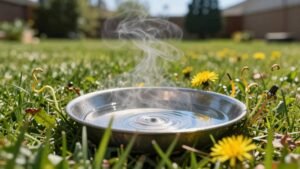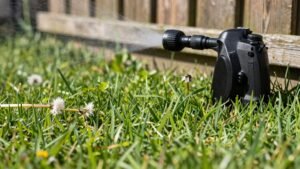

Non‑selective herbicides like glyphosate will almost certainly damage or kill nearby flowers, showing yellowing, browning, and leaf distortion within a week. Even selective formulas such as 2,4‑D can harm blooms if applied too heavily or drift reaches them. To protect your garden, use spot‑spray applicators, shield adjacent plants, and apply when wind is below 5 mph, temperature under 80 °F, and humidity above 50 %. Test a small leaf area first, and you’ll uncover more safe‑use strategies.
Quick Answer: How Weed Killers Affect Flowers
Weed killers can wipe out flowers just as easily as they suppress weeds, especially when you spray non‑selective products like glyphosate. You’ll see yellowing, browning, and leaf distortion within 7‑10 days as the chemical blocks growth pathways. Label usage demands strict adherence to concentration and timing; any deviation is an application mistake that can harm nearby blooms. Non‑selective herbicides travel by drift or vapor, so even a light mist can reach ornamentals and cause bleached spots. Selective formulas such as 2,4‑D or dicamba still injure flowers if you exceed the recommended rate, producing twisted stems and cupped leaves. High temperatures amplify vapor drift, worsening exposure. Monitor symptoms promptly to differentiate herbicide injury from nutrient deficiencies or disease. Effective chemical treatments for moss often involve systemic herbicides that penetrate plant tissue and disrupt cellular function. Understanding the mode of action of 2,4‑D helps prevent accidental damage to desirable plants.
Spot‑Spray Techniques to Protect Blooms From Weed Killers
When you need to treat an isolated weed in a flower bed, a spot‑spray approach lets you eliminate the target without endangering nearby blooms. Choose a product designed for selective plant application—Spectracide Weed and Grass Killer, Natria, or Finale with a wick applicator—so the herbicide stays on foliage. Use a hose‑end sprayer or fan‑jet nozzle for precise delivery, employing foliage attachment techniques that coat only the weed leaves. Shield adjacent flowers with a cardboard box and keep a hose handy to rinse any stray spray. Lightly mist the weed, avoiding soil saturation, and monitor the site; healthy blooms should show no injury while the weed wilts within 24 hours. This method minimizes drift and protects your garden’s aesthetic integrity. Pre‑emergent products can also be applied to the soil around the spray to prevent future weed germination. Consider using a low‑toxicity herbicide to further reduce environmental impact. Acetic acid in white vinegar can act as a natural herbicide, breaking down plant cell membranes and causing rapid desiccation. Vinegar typically shows visible wilting within 30 minutes to several hours after application.
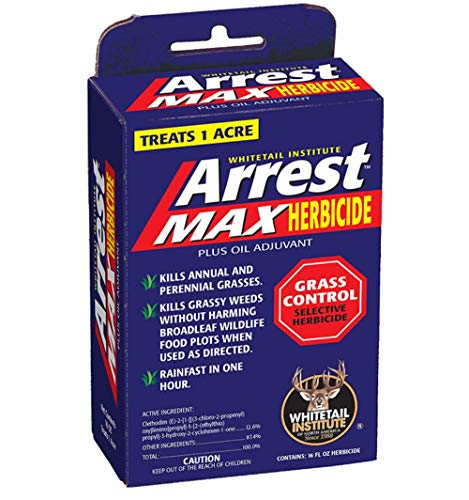
SPECIFICALLY developed for food plots

LAWN FRIENDLY FORMULA: Our lawn friendly weed killer spray formula contains three proven ingredients that specifically target common lawn weeds, so it won't harm your grass (when used as directed)
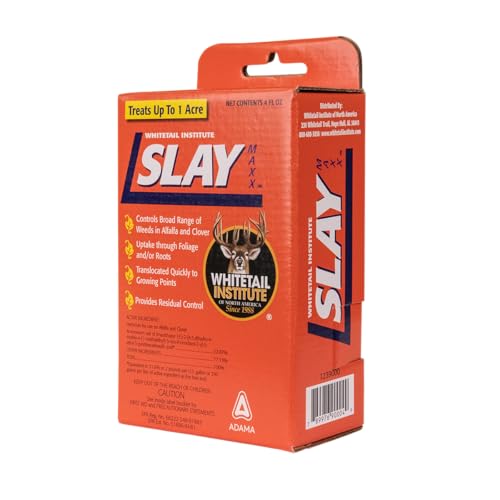
Specifically developed for food plots
Timing & Weather Tips to Prevent Drift and Damage
How can you verify a herbicide application stays effective without drifting onto prized blooms? Begin with wind speed monitoring: use a calibrated meter before spraying and re‑check every five minutes. Keep speeds between 3–10 mph; abort if they dip below 3 mph or climb above 10 mph, especially when they exceed 8 mph, because drift spikes. Track wind direction constantly and only spray when it blows away from flower beds, maintaining label‑specified buffers. Apply temperature inversion avoidance by checking vertical temperature profiles—if a cool layer sits near the ground (often at dusk or dawn), postpone spraying. Corroborate ambient temperature stays below 80 °F and humidity exceeds 50 % to limit volatilization. Finally, confirm no rain is forecast for the next 24 hours and monitor conditions for 48 hours post‑application. Systemic herbicide action can be observed within a few hours on young, actively growing weeds. Applying herbicide to wet foliage can dilute the product and reduce its effectiveness. Understanding herbicide selectivity helps protect desirable plants while targeting weeds.

Fits all Solo sprayers except one hand sprayers

NON-SELECTIVE WEED CONTROL - For use on non-selective herbaceous broadleaf and grassy weeds. Read the label for specific annual broadleaf weeds, perennial broadleaf weeds, annual grasses, and perennial grasses to be treated.

KILLS WEEDS AND GRASSES: Use on driveways and walkways, and around fences, trees, flower beds, shrubs and other areas in your yard
Herbicide Types & Risks for Blooms
If you know whether a herbicide is selective or non‑selective, you can gauge its safety for your flower beds. Selective control options, such as 2,4‑D, dicamba, or MCPP, target broadleaf weeds while sparing most grasses, offering better compatibility with ornamentals when applied correctly. Non‑selective agents like glyphosate or paraquat kill virtually any plant they touch; glyphosate translocates systemically, damaging emerging buds and leaves within 3‑10 days, while paraquat causes immediate necrosis at contact points. Phenoxy herbicides produce foliar distortion and chlorosis, especially on young tissue, making newly emerged blooms vulnerable. To protect your garden, match the herbicide’s mode of action to the plant’s growth stage and guarantee precise application to avoid drift and off‑target exposure. Applying a thick layer of mulch can also suppress weed seeds and reduce the need for herbicides. Mulching is an effective non‑chemical strategy that conserves soil moisture and blocks sunlight from germinating weeds. Solarization can further reduce weed pressure by using heat to kill seeds before planting. Proper mulch depth improves weed suppression and enhances soil health. Mulch depth is critical for optimal performance.

Includes 10lb block of Back to the Roots compressed Coconut Husk Mulch that expands to over 2 cubic feet of mulch. Use it for gardens, raised beds, pet bedding and more

100% Organic & Peat-Free: Our organix mulch mix is 100% organic & peat-free. Peat is one of Mother Nature’s most important stores of carbon. Instead of imported peat, the base of our soils is made from upcycled plant matter or wood fines from the United States!
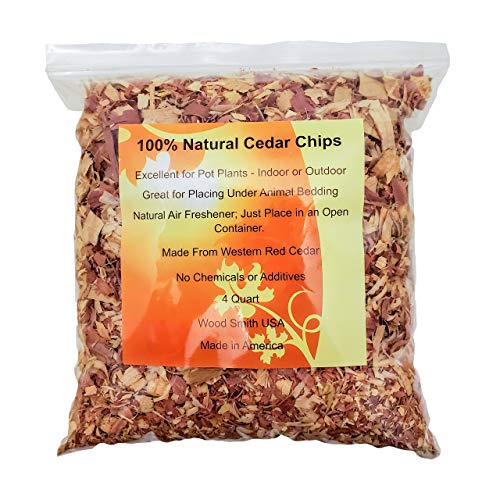
100% Natural Cedar; Use with your outdoor and indoor plants; will hold moisture in! 4 Quart; Natural product so cedar shavings vary in size.
Choosing Flower‑Friendly Weed Killers for Beds
Because flower beds demand both aesthetic appeal and plant health, you should prioritize herbicides that target weeds without harming ornamentals. Choose selective agents such as 2,4‑D, MCPA, or Fluroxypyr, which focus on broadleaf weeds while sparing most flowers. Verify herbicide interactions by consulting label warnings; avoid mixing with systemic products that could drift into sensitive foliage. Test plant sensitivity factors on a small patch before full application, especially with clopyralid, which some ornamentals dislike. For non‑chemical spot control, high‑strength vinegar (20 % acetic acid) works on individual weeds without soil residue. Use a precision sprayer or paintbrush to limit exposure. When pre‑empting future weeds, apply corn gluten meal or pre‑emergent granules after planting, respecting timing to protect germinating blooms. Citrus oil can also be mixed with vinegar to enhance weed‑killing efficacy while remaining safe for nearby flowers. Adding a soil pH test helps ensure the vinegar’s acidity won’t disrupt the bed’s nutrient balance.
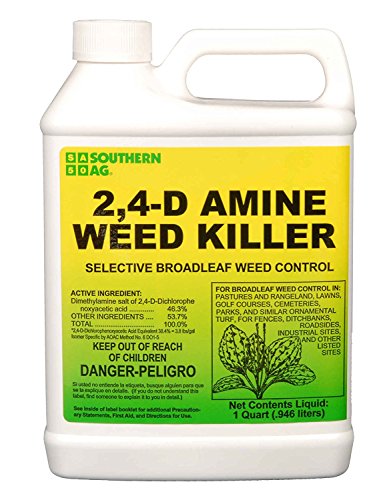
Low, economical use rate of 1 to 4 pints per acre

KILLS WEEDS AND GRASSES: Use on driveways and walkways, and around fences, trees, flower beds, shrubs and other listed areas

Coverage - Preen weed preventer 4.93 lb. flip-top bottle provides large-area coverage and pre emergent weed control for 805 sq. ft. of garden space; prevents over 125 weeds in residential landscapes, garden areas, landscaped spaces and established plantings
Natural Alternatives to Weed Killers for Flower Beds
After weighing selective herbicides, many gardeners turn to non‑chemical options that protect ornamental foliage while still suppressing weeds. You can layer organic mulches—shredded bark, straw, or compost—around each plant; the mulch blocks light, moderates temperature, and retains moisture, preventing seed germination. For spot treatments, apply a homemade vinegar spray (1 gal white vinegar, ½ cup salt, 1 Tbsp dish soap) on sunny, rain‑free days, targeting only weed foliage. Boiling water works on isolated seedlings, while a soap‑water mix (5 Tbsp soap in 4 cups water) adds surfactant for better leaf coverage. If you prefer a dry method, sprinkle a teaspoon of baking soda per weed stem and mist lightly; this baking soda weed control offers a short‑term kill without harming nearby flowers. Combine these tactics with tight planting and hand‑pulling for an inclusive, chemical‑free weed‑management plan. The vinegar‑salt‑soap blend works quickly, drying weeds within hours. Acetic acid in household vinegar can damage leaf tissue but does not reach the root zone. Using soil aeration can enhance root health and make lawns more resistant to weed invasion. Simple vinegar‑based solutions break down plant cell walls, accelerating desiccation.

PREMIUM ORGANIC GARDEN STRAW: High-quality organic straw harvested for superior coverage and durability—ideal mulch for gardening, raised garden beds, flower beds, composting, and lawn care projects.

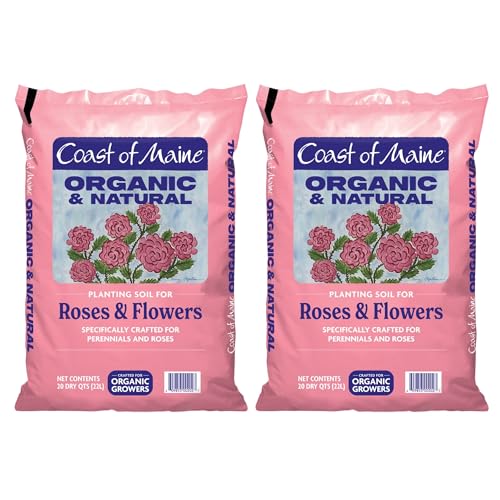
PREMIUM INGREDIENTS: This specifically crafted organic compost blend is the ideal planting mix to improve and revitalize the plant soil for rose varieties, flowers, and perennials.
Post‑Application Care: Rinse, Monitor, Recover
How do you guarantee your weed‑killer works while protecting the rest of your garden? Follow a strict post‑application protocol. First, rinse hard surfaces immediately to meet product labeling requirements and prevent runoff. Then, monitor treated weeds daily; discoloration and wilting within 48 hours confirm absorption, while any persistent growth signals a needed re‑application per label wait times. Avoid watering for 24–48 hours, then water lightly in the morning to activate the herbicide without washing it away. After the herbicide has translocated, mow only after visible weed stress. Finally, support long‑term soil recovery by balancing pH, aerating compacted zones, and applying deep, infrequent irrigation to promote healthy root systems and reduce future weed pressure. Weeds compete for water, sunlight, and nutrients, so timely post‑application care helps prevent them from out‑growing desirable plants. The waiting period before re‑entering the area can vary based on the herbicide type and weather conditions, so consult the label for a specific re‑entry interval. Selecting the correct herbicide class ensures minimal impact on non‑target species.