

First, disconnect the spark plug wire and wear safety glasses, gloves, and a clean rag. Loosen the 10 mm float‑bowl bolt, pry off the bowl, and inspect the gasket. Remove the silver stem and main jet with a screwdriver, then spray Sea Foam or carburetor cleaner into the vent while the engine runs at 1000 RPM for a few minutes. After a hot‑soak, reassemble the bowl, tighten the bolt, adjust the needle and idle screw, and test the idle; if it still stalls, you’ll ascertain whether a rebuild or replacement is needed.
Why a Clogged Carburetor Stops Your Mower From Starting
When a carburetor gets clogged, it blocks the tiny jets that create the proper air‑fuel mixture, so the engine never receives the balance it needs to ignite. You’ll notice that, despite fuel in the tank, the mower fails to start or makes a weak turnover sound. This occurs because stale fuel, varnish, and debris coat the jets, float, and butterfly valve, preventing the correct mixture from reaching the combustion chamber. Improperly winterized storage accelerates residue buildup, while worn carburetor components—such as corroded needles or cracked seals—allow excess fuel to pool and gum up passages. The result is a lean or rich mixture that stalls ignition, leaving you pulling the starter without success. Regular cleaning, fresh fuel, and component inspection restore proper flow. A blocked air filter can also restrict airflow, worsening the carburetor’s performance.
Safety Gear Needed for Carburetor Disassembly
If you’re about to dismantle a carburetor, you must first equip yourself with proper safety gear to prevent injuries and contamination. Begin with safety glasses; they block carburetor cleaner spray, fuel splashes, and debris, and they protect your eyes when you use pressurized air or a wire brush. Wear chemical‑resistant gloves to avoid skin contact with fuel, solvents, and sharp metal edges, and to reduce burn risk from hot parts. Keep clean rags nearby for wiping residue, catching drips, and absorbing spills, ensuring a dry assembly. Use a sealed fuel container to collect drained gasoline, enabling safe storage of fuel containers during repair and facilitating proper disposal of hazardous carburetor cleaning fluids. In conclusion, pair gloves and glasses with any screwdriver, needle, or pin punch to maintain control and prevent accidental injury. Ethanol in gasoline can accelerate corrosion and gumming inside the carburetor, so extra caution is needed when cleaning. Intake manifold connects the carburetor to the engine, allowing the proper fuel‑air mixture to reach the combustion chamber. Always disconnect the spark plug wire before starting work to avoid accidental engine start‑up. blade removal is a critical safety step that prevents the mower blade from spinning while you service the carburetor.

Durable and Sensitive: AnTools industrial-strength rubber gloves, featuring a two-toned and double-dipped blend of neoprene and natural rubber, boast a thickness of 28 mil (0.7 mm). They maintain softness while ensuring durability, offering exceptional tactility, sensitivity, and dexterity, flexible enough to handle small objects.

Rubber has the advantages of elasticity, wear resistance, cold resistance, and air leakage.

High-Performance Chemical Protection: These 15-mil thick 100% nitrile gloves provide a robust, heavy-duty barrier against a broad range of solvents, industrial oils, and animal fats.
Remove the Fuel Bowl to Access the Main Fuel Jet (Carburetor Won’t Start)
After securing your safety glasses and chemical‑resistant gloves, loosen the 10 mm float‑bowl bolt with a wrench or socket until you can remove the bolt entirely. Pry the bowl off the pump‑arm diaphragm housing, keeping a hand on the carburetor backside to prevent wobble. Inspect the gasket for creases or cracks; if it’s damaged, replace it before reassembly to guarantee proper gasket installation. Locate the silver stem, note the jet size number (e.g., 105), and use a flathead screwdriver in the slot. Press down firmly while turning counter‑clockwise to free the main jet, then hand‑screw it out, watching for the emulsion tube. When reinstalling, select the appropriate jet size for your mower’s engine and elevation, insert the new jet, tighten the screw, and secure the float bowl without over‑tightening the bolt. This systematic approach isolates the fuel flow issue and prepares the carburetor for final testing. Use a 10 mm wrench to ensure proper torque on the float‑bowl bolt. Apply carburetor cleaner to the vent to dissolve any lingering deposits.

Item Package Dimension: 7.20L x 4.60W x 1.33H inches

Bolt 022-31414 Carburetor Float Bowl Screws M4-0.7x14 Phillips Screw 10/Pk.

Fitment & Compatibility:Fits for Mikuni, for Keihin and other classic motorcycle carburettor float bowls, with precise metric M4 threads for secure fastening.
How to Clean the Carburetor With Spray, Compressed Air, and Sea Foam
Even before you start the spray, warm the engine to its normal operating temperature and secure the parking brake; this guarantees the carburetor throat is receptive to the Sea Foam treatment and prevents accidental movement while you work. First, remove the air cleaner or cover to expose the intake. Cut a straight 15‑20 cm tube, insert it into the carburetor throat, and hold the engine at roughly 1000 RPM idle with a helper maintaining throttle. Spray the entire can continuously for 4‑5 minutes, allowing the mist to travel through the intake valves, chambers, and compression rings. Immediately shut the engine, then hot‑soak for 5‑15 minutes to dissolve gum and varnish. Restart, run at high idle for 10 minutes, then apply load until smoke clears. This systematic spray, compressed‑air, and Sea Foam routine helps you troubleshoot air intake and diagnose running issues without disassembly. The entire can of Sea Foam Motor Treatment in the fuel tank continues to work during operation. Regular filter checks help maintain optimal airflow and prevent future carburetor fouling. Before beginning, verify that the fuel level is sufficient to avoid stalling during the cleaning process. Proper primer bulb operation ensures fuel reaches the carburetor before the initial pull.

Instantly dissolves deposits on venturi, linkages, butterflies and PCV systems to improve fuel system performance and enhance fuel economy.

CLEANS HARMFUL DEPOSITS – Cleans harmful deposits from intake valves, upper cylinders, and combustion chambers that cause rough idle, hesitation, and loss of power .
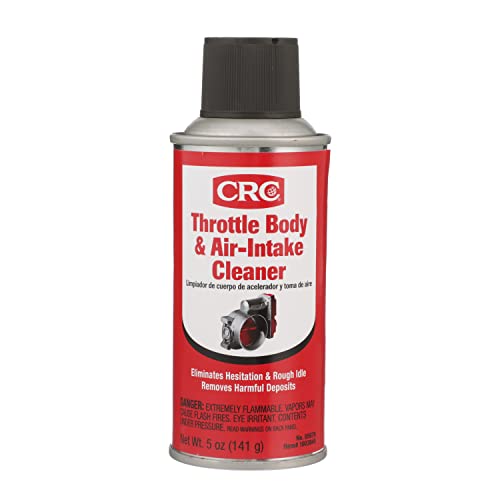
CRC INDUSTRIES: A market leader that offers impeccably designed chemical solutions to maintain, protect and repair different marine, heavy-duty motor vehicles, industrial-grade engines, household tools, and electrical equipment
Reassemble the Carburetor and Adjust Needle & Idle Valves
Now that the Sea Foam treatment has cleared the passages, you can start reassembling the carburetor and set the needle and idle valves. First, install the new welch plugs with a pin punch, tap them flat, and seal the edges with enamel nail polish. Insert the choke plate, aligning dimples toward the fuel inlet, then secure it with screws. Mount the throttle shaft so the flat side faces out, attach the throttle plate with numbers toward the idle‑mixture screw, and verify that dimples face inward. Install the inlet needle seat groove‑down, attach the needle to the float, and lock the float assembly with hinge and center pins. Position the rubber gasket, attach the fuel bowl, and tighten the bowl nut. Finally, adjust the needle and idle valves, measuring float adjustments and checking how to verify valves for smooth operation. Clean the fuel bowl before installation to prevent debris from entering the carburetor. Regularly inspect the mower deck for clippings that could affect engine performance. Sharpened blades improve cutting efficiency and reduce engine strain.
Test the Engine and Fine‑Tune Idle After a “Carburetor Won’t Start” Fix
You’ll verify that the engine runs smoothly and that the idle is properly calibrated by performing a series of targeted tests. Begin with engine diagnostics: spray carburetor cleaner into the intake while the mower runs. If it only runs with spray, fuel delivery remains compromised. Next, assess vacuum integrity by spraying cleaner around gaskets and the intake manifold; RPM fluctuations reveal leak locations. Conduct a compression test and a cylinder‑leak‑down check to confirm proper valve clearance. After reinstalling the carburetor, repeat the vacuum test under load to guarantee no new leaks. Finally, fine‑tune idle by adjusting the needle and idle screw, watching for steady RPM and quick throttle response. Repeat the cycle until the mower idles cleanly without stalling. Additionally, inspect the fuel filter regularly to prevent dirt buildup that can cause fuel delivery issues. For a more thorough diagnosis, consider checking the spark plug condition before proceeding.
When Cleaning Isn’t Enough: Should You Rebuild or Replace the Carburetor?
After confirming the engine runs smoothly and the idle is properly set, the next step is to decide whether the carburetor needs a rebuild or a full replacement. Examine rust, corrosion, and external damage; severe rust or a cracked housing usually tips the balance toward replace. Inspect internal deposits—gummed or caked material often signals that cleaning alone won’t restore performance, making rebuild versus replace unfavorable. Conduct a cost benefit analysis: compare kit price, labor hours, and OEM versus aftermarket costs. If labor exceeds half the price of a new unit, or if the model is a truck or chainsaw with complex internals, replacement becomes the logical choice. Conversely, simple lawn‑mower carburetors with minor gasket wear may justify rebuilding. Compressed air is recommended to blow through jets and passages to clear residual debris. Using the wrong oil, such as car oil in a small engine, can increase wear and accelerate carburetor fouling. Proper oil level maintenance, such as checking the oil capacity of 0.5 to 1 quart for typical residential mowers, helps prevent engine wear and improves overall performance. Regular oil changes based on run time ensure the engine stays lubricated and reduces carburetor deposits.

Compatible with Craftsman Gold 6.25 6.75 HP MRS Push Mower 675 190cc Carb

[High-Quality Material] The carburetor kit ensures the smooth operation of the engine, improves engine performance, can effectively solve oil leakage, difficult to start, can not accelerate, black smoke from the exhaust pipe, and other problems
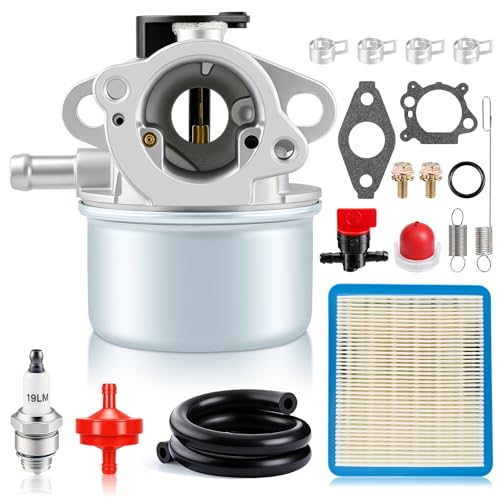
Fit for 6-6.75 HP Carb Craftsman Snapper 22" Push Mower. Carburetor for Stens 50-657, Stens 520-966; carburetor for 4-7 hp engines with no choke; carburetor for Snapper Ninja 6.75hp Engine
Prevent Future Carburetor Problems With Routine Maintenance
If you keep the carburetor clean and the fuel fresh, you’ll dramatically reduce the chance of future breakdowns. Choose quality fuel brands and avoid ethanol containing gas to prevent residue. Use fresh fuel with a stabilizer when storage exceeds 30 days; follow the label’s dosage precisely. Inspect and replace the air filter at least twice a year, ensuring unrestricted airflow and proper fuel‑air balance. Before long‑term storage, run the mower dry, drain the bowl, and shut the fuel valve to eliminate varnish. Perform routine cleaning checks: spray carburetor cleaner into passages, verify throttle and choke movement, and confirm jet settings. Finally, change oil per the manual and use premium oil for excellent lubrication. Air filter blockage can also cause rough engine performance. Regularly checking the oil level helps prevent engine wear and maintains optimal performance. Cracked fuel lines should be inspected regularly to catch early signs of wear. Properly draining the fuel system prevents fuel varnish buildup during winter storage.

Fixes rough running and hard-to-start engines: Breaks down gum and varnish that cause rough running, hard starts, sputtering, and no-start issues in small engines, helping restore performance quickly
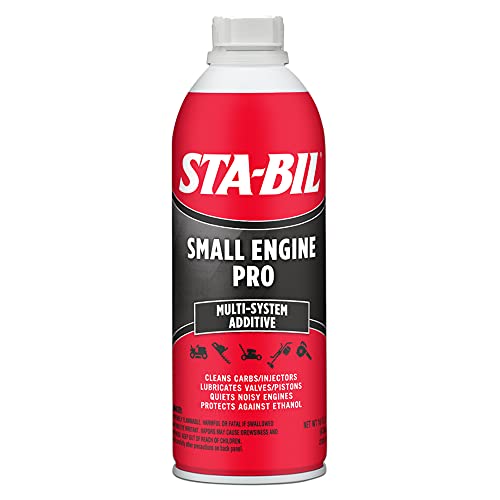
Clean and improve your fuel system with Small Engine Pro, a gasoline/oil additive that helps restore lost engine power and performance, by cleaning out gum and varnish

Helps overcome: hard starting, rough idling, stalling and high exhaust emissions