
A zero‑turn mower lets you pivot on the spot because each rear wheel is driven by its own hydraulic motor, giving you a true zero‑radius turn. This design cuts mowing time up to 40 %—you can hit 10 mph with decks as wide as 54 inches—while delivering uniform cuts and a striped finish. You’ll also notice less fatigue thanks to smoother steering and better traction on hills. Mastering lap‑bar controls and safety checks guarantees optimal performance, and the next sections reveal how to choose, maintain, and maximize these machines.
What Is a Zero‑Turn Mower? – Definition & Core Benefits
When you sit on a zero‑turn mower, you’re operating a riding lawn mower whose two rear wheels turn in opposite directions, giving it an effectively zero turning radius. The machine’s hydraulic motors drive each rear wheel independently, letting you pivot 180° on the spot without forward motion. This design cuts tightly around trees, flower beds, and other obstacles, eliminating back‑tracking and trimming. Because you can follow a precise path, mowing frequency considerations shift: you can maintain a uniform height with fewer passes, reducing overall labor. Landscaping design impacts are noticeable—tight‑corner gardens and irregular borders stay pristine, and the mower’s speed, up to 10 mph, plus wide decks, delivers up to 40 % faster coverage than traditional ride‑ons. The result is a clean, professional finish with less operator fatigue. Self‑propelled mowers reduce user fatigue on larger or uneven lawns through motor‑assist. Proper soil pH adjustment with lime can also weed suppression by creating conditions less favorable for many common weeds. Selecting a mower that matches your lawn’s terrain complexity ensures optimal performance and durability.
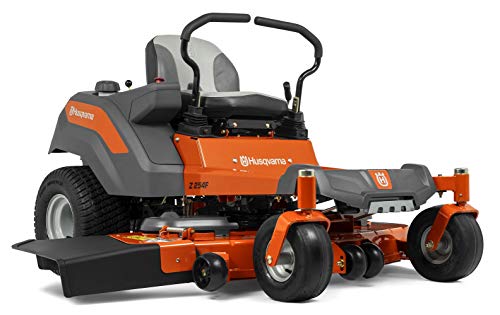
23 HP Kawasaki engine provides reliable startups and a max speed of 6.5 MPH

Cleaner, more even cuts than gas with constant 17K ft/min blade speed

24HP/726cc FR730 engine
How Lap Bars & Independent Wheels Create Zero‑Radius Turns
Because each lap bar directly governs one rear wheel, you can vary wheel speeds independently and achieve a true zero‑radius turn. You push one lap bar forward while pulling the other back, creating asymmetric hydrostatic drive output that spin the mower around a single point. Gentle pressure on a single lap bar initiates slow rotation, while equal pressure on both bars moves the machine straight. Lap bar sensitivity lets you fine‑tune wheel speed ratios for any curve radius, reducing trimming time around obstacles. However, coordinating two levers demands constant arm effort, increasing operator fatigue during long sessions. Mastery of this dual‑control system yields precise pivots, but it requires practice to avoid over‑correction and maintain consistent cutting lines. The rear tire traction is the sole factor that determines hillside control for lap bar zero‑turn mowers. Always consult the user manual before operating to ensure safe handling. Before starting, verify that the mower’s spark plug is clean and properly gapped to ensure reliable ignition. Properly checking the fuel level before each use helps prevent engine stalls during operation.
Why Zero‑Turn Mowers Outperform Traditional Riding Mowers
Zero‑turn mowers outpace traditional riding mowers by delivering up to 40 % faster mowing times, thanks to their 5–8 mph top speed and 48–54‑inch decks that cut larger swaths per pass. You’ll notice a 35‑minute reduction on a 4,000 m² lawn, because the wider deck halves the number of passes and the higher speed cuts more ground per minute. The comparative advantages extend beyond raw speed; the zero‑radius turn lets you pivot around trees, flower beds, and fences without retracing paths, eliminating uncut patches. This maneuverability creates additional use cases for complex residential layouts and commercial properties where tight spaces dominate. Faster blade spin rates (2–3×) improve cut uniformity, reducing secondary edging and delivering a cleaner, striped finish with minimal extra labor. Stand‑on mowers are lighter and more maneuverable, making them better suited for small to medium yards with obstacles. Selecting the right mower also depends on lawn size and terrain characteristics. Choosing the appropriate cutting width ensures efficient coverage without sacrificing control.

| Universal Fit Zero-Turn Mower Cover | - Measures 79" x 46" x 55" (L x W x H), Zettum lawn mower covers are designed to fit most brands' zero turn mowers up to 60" decks, including: Greenworks, Honda, Husqvarna, Cub Cadet, Toro, John Deere, Ryobi, Sun Joe, EGO, PowerSmart, Craftsman, LawnMaster, Snapper and more. For special zero turn mower models, please check the size carefully.

HEAVY-DUTY 600D FABRIC WITH LONG-LASTING DURABILITY: This zero-turn mower cover is constructed of a durable 600D solution-dyed Oxford polyester fabric with reinforced double-stitched seams to resist tearing and outdoor wear while holding its color and appearance season after season.

Replaces OEM Part: John Deere GX26422 for ZTrak Zero-Turn Mowers
Safety Checks Before the First Cut – Zero‑Turn Mower Prep
The speed and maneuverability that set zero‑turn mowers apart become irrelevant if the machine isn’t safe to operate, so a thorough pre‑cut inspection is the first step before you fire up the engine. Begin with a visual inspection: verify tire pressure, examine blades for dullness or damage with gloves, and check belts for fraying or glazing. Guarantee spindles are greased, deck is clean, and all nuts and bolts are tight. Test brakes, parking brake, emergency shut‑off, seat, and brake switches; confirm interlock logic prevents engine start when PTO is engaged or you’re off the seat. Scan the area for rocks, sticks, and steep slopes, then apply battery conservation techniques and safe maneuvering practices while you engage the mower. Use recreational fuel to ensure optimal performance and avoid engine issues. Always drain oil before a long storage period to prevent engine damage. Follow the recommended pre‑start checklist to catch any overlooked problems before they cause downtime. Wearing protective gear such as safety glasses and hearing protection further reduces the risk of injury.

【NOTE】Ensure sufficient clearance between the front bar and wheel. Insufficient space may cause interference! If you have any unsatisfied experience, please feel free to contact us, our team is available 24/7 via email.

Designed for 2.5in Posts: Engineered to fit 2.5-inch front wheel posts. Compatible with ZT Elite, MZ Magnum, Avenger, Revolt, Rambler and similar zero-turn mowers with thicker axles
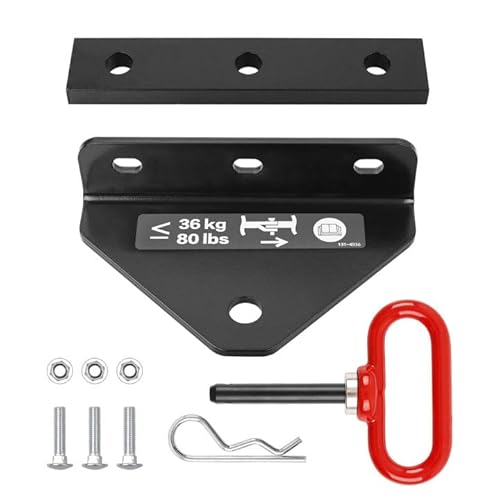
Feature: A zero-turn hitch kit is an accessory designed for zero-turn mowers, the feature is to make sharp turns and negotiate tight spaces efficiently. Zero-turn mowers are highly maneuverable and efficient machines commonly used for landscaping and lawn care.
Lever Control Basics: Forward, Reverse, and Gradual Turns
When you engage the dual‑lever system, each rear wheel responds independently, so pushing both levers forward from neutral propels the mower straight ahead, while pulling them back makes it reverse. To maintain ideal grip positioning, place both hands low on the levers, fingers wrapped securely, and keep elbows slightly bent for fine motor control. Forward movement requires equal pressure on both levers; increase push gradually to raise speed without jerking. Reverse follows the same principle but at reduced pace, ensuring clear rear visibility before pulling. For gradual turns, apply lever adjustment techniques: push the outer lever farther forward than the inner, keeping the differential small for smooth arcs, and enlarge the difference for tighter curves. These actions let you steer precisely while preserving stability. Proper mower blade height helps achieve an even cut and protects the engine. Deck level check should be performed before each season to ensure uniform cutting height. Ensure the mower deck is level by using a carpenter’s level to confirm even cutting across the entire width.
Zero‑Turn Techniques for Tight Spaces & Hilly Terrain
Mastering tight‑space navigation starts with the same lever coordination you used for gradual turns, but you’ll now rely on the mower’s ability to pivot on the spot. You engage each drive wheel independently, letting the front wheels rotate quickly to negotiate narrow aisles, garden beds, and tree trunks without backtracking. For uneven surface navigation on hills, reduce speed, keep the steering wheel centered, and apply gentle pressure to maintain traction control. Avoid crossing deep dips; instead, follow the slope’s contour or trim afterward. Practice 3‑point turns on soft turf, then shift to sharper pivots on dry ground. Use the border‑plus‑fill method to edge first, then fill the interior, ensuring consistent rows and minimizing turf disturbance. Incorporate tight‑turn techniques when maneuvering around obstacles to prevent scratches. Consider adding a LIDAR sensor to enhance obstacle detection and improve navigation accuracy. Installing a reinforced drive‑train frame helps handle the increased torque from high‑performance engine modifications. Always wear protective gloves when handling the mower’s lift points to prevent hand injuries.
Battery‑Powered Zero‑Turn Mowers: Range & Charging
Wonder how far a battery‑powered zero‑turn mower can go before you need to plug it back in? The DR Power ZT5E covers up to five acres per charge with a 48‑inch deck, while the EGO Z6 reaches two acres with four 10 Ah batteries and three acres with six. BobcatcatT6000e delivers a staggering 23.8 acres on a single 20.4 kWh pack, and a Greenworks commercial model hits 28 acres with 36 kWh cells. Runtime varies: DR Power offers 2.25 hours, Bobcat up to eight hours, and EGO provides all‑day cutting when you expand the battery bank. Charging times differ—DR Power recharges overnight, EGO takes about two hours for four 10 Ah packs, and Greenworks uses three dual‑port turbo chargers. Optimize battery life performance by storing units in a cool, dry place during off‑season storage, preserving capacity for the next mowing season. The EGO Z6’s four‑battery setup enabled mowing five yards while still retaining 56% charge. Long‑lasting battery life is a key advantage for larger properties. Most electric lawn mowers operate on 12 V to 40 V battery systems, balancing power and runtime.

PEAK POWER TECHNOLOGY: The EGO cordless riding mower combines the power of up to six EGO 56V ARC Lithium batteries to deliver the power equivalent of a 27-horsepower gas engine.

PEAK POWER TECHNOLOGY: The EGO cordless riding mower combines the power of up to six EGO 56V ARC Lithium batteries to deliver the power equivalent of a 24-horsepower gas engine.
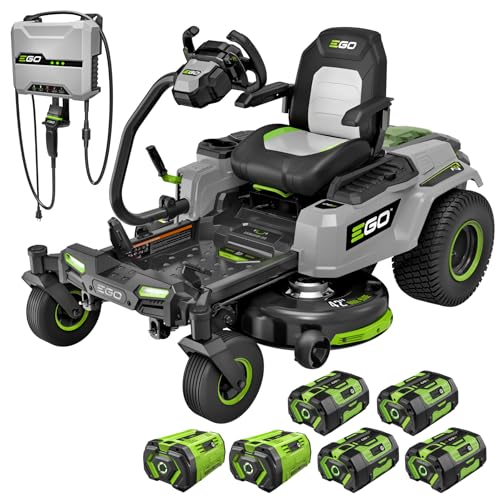
PEAK POWER TECHNOLOGY: The EGO cordless riding mower combines the power of up to six EGO 56V ARC Lithium batteries to deliver power equivalent to a 24-horsepower gas engine.
How to Keep Your Zero‑Turn Mower Running Smoothly
Battery‑powered zero‑turn mowers may cover impressive acreage, but their performance hinges on regular upkeep. Effective preventive maintenance starts with daily deck cleaning; remove grass, debris, and rust‑promoting material from the top and underneath to keep airflow and belt engagement suitable. Inspect blades, belts, and spindles each session—sharpen or replace blades, grease spindles with water‑resistant grease, and verify belt tension. Change engine oil and filter at least every 50 hours, using API SJ/SL 10W‑30 to 20W‑50 oil, and dispose of waste responsibly. Replace air and fuel filters per the 100‑hour schedule, re‑oil pre‑cleaners every 25 hours, and add fuel stabilizer before storage. Conduct seasonal lawn preparation by checking tire pressure, cleaning battery terminals, and reviewing hydro‑transmission filters and oil. This disciplined routine assures reliable, high‑quality cuts.
Pick the Best Zero‑Turn Mower for Your Yard and Wallet
Choosing the right zero‑turn mower hinges on matching your yard’s size and terrain to a deck width, engine power, and price tier that fit your budget. If your lawn is under one acre with tight passages, select a 30‑ to 42‑inch deck; for 1‑3 acres with occasional trees, a 42‑ to 54‑inch deck works best. Larger open fields benefit from 54‑ to 72‑inch decks. Align engine horsepower with deck size—24 hp for 54‑inch models like the Husqvarna Xcite Z350, 22 hp Kawasaki for faster Toro TimeCutter 50‑inch. Assess Mower storage requirements: compact decks need less garage space. When Choosing blade options, prioritize steel gauge and cutting geometry for durability and edge quality. Balance these specs against entry‑level ($700) to mid‑range ($3,000) budget tiers to maximize performance without overspending. The Hydrogeear ZT 3400 drive system provides reliable torque for larger decks.

OEM REPLACEMENT: Fits 42-Inch Mower Decks; Replacement for Toro 106-2247-03, 106-6583-03, 106-8744-03, 110-1857-03, 110-6568-03; Also compatible with Exmark 106-2247-03 (5/8" Circle Center Hole Only)
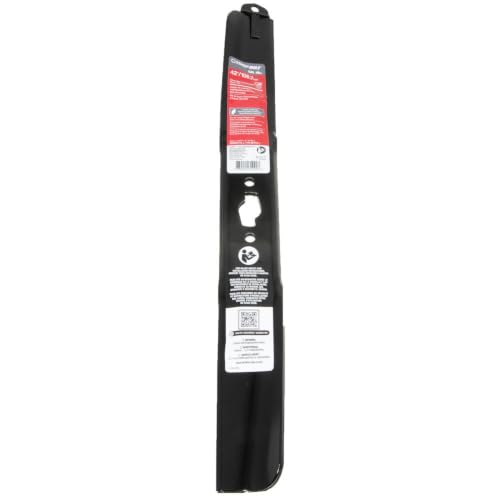
Original Equipment PATENTED TROY-BILT HIGH-LIFT blades starting with 742P05177, 742-05177, 742P05528, 742P05528 with a S-Shaped Center Hole

【Replace】 Starter Solenoid 04781700 directly replace Ariens gravely Zoom Ikon ZTX ZT XL Zero Turn Mowers.