
A self‑propelled lawn mower powers its own wheels, so you glide across the yard with minimal effort while keeping a steady pace. Its drive system takes the thrust off your joints, reducing strain on hills and uneven ground. Choose front‑wheel for quick turns, rear‑wheel for slopes, or all‑wheel for steep, wet terrain. Gas offers unlimited runtime, battery cuts emissions, and corded electric is cheap and quiet. Variable‑speed controls let you adjust for obstacles and hills, and you’ll uncover more benefits and features ahead.
What Is a Self‑Propelled Lawn Mower?
A self‑propelled lawn mower is a walk‑behind machine that powers its own wheels, so you don’t have to push it forward. You engage the drive lever, the engine or motor transfers torque to the wheels, and the mower glides at a steady pace while you steer. Compared with push mowers, it cuts labor and maintains a consistent speed, which improves quiet operation and energy efficiency. Front‑wheel models suit flat lawns, rear‑wheel variants grip slopes, and all‑wheel versions tackle mixed terrain. Variable‑speed controls let you match walking pace or accelerate on thick grass, while single‑speed units keep costs low. The heavier build adds stability, letting you finish larger areas faster without the fatigue of manual pushing. Selecting the right mower size based on lawn acreage ensures optimal performance and efficiency. Choosing the right engine power helps match the mower to your terrain and grass density. Self‑propelled mowers are especially beneficial on uneven terrain because the motor assistance reduces user fatigue.

[16" LAWN MOWER] - This 40V lawn mower cuts up to 1/3 acre with fully charged 4.0Ah battery (varies based on grass condition and operator technique)

Efficient & Versatile Mowing Solution This 21-inch self-propelled lawn mower features a durable 3-in-1 steel deck with mulching, side discharge, and rear bagging options. The wide cutting path maximizes efficiency, while the no-choke, no-primer design ensures hassle-free starting—no manual adjustments needed.

SCISSOR-LIKE CUT: No ripping or tearing of grass blades for a better and healthier lawn
How Does the Self‑Propelled Drive System Save Your Back?
When you engage the drive lever, the mower’s transmission takes over the forward thrust, so you’re steering rather than pushing. The motor does the work of moving the wheels, giving you reduced joint strain and less muscle fatigue compared with a push mower. On flat ground the mower matches your walking speed, letting you guide it with light pressure instead of brute force. Uphill, the system maintains momentum without extra effort, preventing the sudden jerks that stress the lower back. On bumpy or sloped lawns it delivers steady traction, so you avoid the twisting motions that aggravate spinal muscles. Overall, the self‑propelled drive turns a labor‑intensive chore into a simple steering task, preserving your back and extending your mowing stamina. Always wear protective gear such as sturdy shoes and safety glasses to further reduce the risk of injury. Compared to a riding mower, a self‑propelled mower offers greater maneuverability on tight or irregular lawns. Using the optimal mowing pattern can also reduce the number of passes needed, saving time and fuel.

[80V 21” SELF-PROPELLED LAWN MOWER] - Get more done, faster, with Greenworks electric lawn mowers. This 80V lawn mower cuts up to 1/2 acre with a fully charged 4.0Ah battery (varies based on grass condition and operator technique)

Battery-Powered Lawn Mower - Conquer large yards effortlessly with the 60V brushless motor and two 4.0Ah battery—delivering gas-like power for up to 3/4 acre per charge (performance varies by terrain/technique).
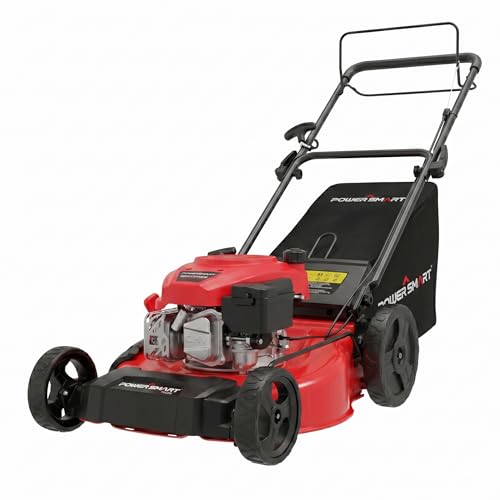
POWERED BY A RELIABLE OHV ENGINE: Equipped with a powerful 170cc OHV engine, known for its smooth start-up, consistent performance, and long-term durability—ideal for tough mowing jobs.
Which Drive Type: FWD, RWD, or AWD: Fits Your Yard?
Which drive system suits your yard depends on terrain, slope, and bagging needs. If your lawn is flat, dry, and simple, front‑wheel drive (FWD) offers the best terrain compatibility, low cost, and light weight for quick turns. However, FWD loses traction advantage on inclines, wet grass, or when you add a bag. Rear‑wheel drive (RWD) pushes from the back, giving superior traction advantage on moderate slopes up to 25°, uneven ground, and full‑bag scenarios, though it’s heavier and less nimble on flat areas. All‑wheel drive (AWD) powers all four wheels, delivering the greatest traction advantage and terrain compatibility for steep, hilly, wet, or soft‑soil yards, but it carries a premium price. Choose the system that matches your terrain and workload. The Hayter Harrier 56’s rear‑wheel drive provides a stable and predictable ride on varied terrain. Front‑wheel‑drive models typically excel on uneven terrain because they pull the mower forward, improving grip on irregular surfaces. Reel mowers, with their scissor‑like cutting action, illustrate how a precise, low‑impact mechanism can complement the right drive system for a clean cut. Zero‑turn mowers achieve their tight turning radius by independent wheel pivot which enhances maneuverability in complex landscapes.

PRODUCT COMPATIBILITY: Compatible with front drive wheels of lawn mower Husqvarna, Poulan, Poulan Pro, Roper, Sears/Craftsman, and Weedeater lawn mowers. Fit for self-propelled walk-behind models including 917370431 917370441 917370601 917370692 917370430 917370432 917370640 and most Craftsman lawnmower models.

Dimensions: Tire Diameter: 8 inch; Tire Width: 1.75 inch; Bore: 1/2 inch

【REPLACES PART NUMBER】The Lawn Mower Front Drive Wheels Replaces Toro119-0311, 137-4832, 115-2878, Stens 205-360
Self‑Propelled Power Sources: Gas vs. Battery vs. Corded Electric
Choosing the right power source hinges on three factors: yard size, terrain complexity, and your tolerance for noise and maintenance. Gas mowers give you unlimited runtime and high torque for thick, wet grass or hills, but they emit pollutants, generate loud noise, and demand regular oil changes, spark plugs, and fuel mixing. Battery‑powered units cut emissions, run quieter, and need minimal upkeep; a 30‑60‑minute charge handles about 0.2 acre, yet battery degradation and replacement costs can erode cost savings. Corded electric models offer the lowest energy expense and zero emissions, with endless runtime, but the cord limits range, makes wet‑grass work risky, and reduces cutting width. Weigh power, runtime, and environmental impact against your yard’s demands to pick the most efficient, cost‑saving solution. Noise levels are a key consideration for residential neighborhoods. Typical lawn mower sound ranges from 85 dB to 100 dB, comparable to a lawn mower or busy traffic, making decibel range an important factor when choosing a mower.

[EFFORTLESS MOWING FOR SMALL TO MID-SIZED YARDS] Ditch the heavy gas engines and tangled cords. Powered by a robust 5.0Ah lithium-ion battery, this cordless lawn mower effortlessly tackles lawns up to 2,800 sq. ft. on a single charge. Its 14 inch cutting deck is specifically designed for quick, maneuverable yard maintenance, making weekend lawn care a breeze rather than a chore.

Powerful Cordless Performance - Harness gas-like power without the hassle! The brushless motor delivers 3550 RPM for efficient cutting, with up to 35 minutes of runtime per charge (4.0Ah battery included). Perfect for small to medium yards

[12.4-INCH CUTTING WIDTH] With 13-inch high impact rust resistant deck
How Do Variable‑Speed Controls Navigate Obstacles and Hills?
A few key mechanisms let variable‑speed controls keep a mower steady on obstacles and hills: they let you dial back speed for tight turns around roots or divots, automatically reduce torque on steep slopes to prevent wheel spin, and coordinate with rear‑wheel or all‑wheel drive to maintain traction as weight shifts uphill. This design yields improved handling because the mower slows before a tree root or a 2‑inch divot, letting sensors assess clearance and execute a precise backup. On inclines, inclination sensors throttle speed, shifting power to the rear wheels or AWD system, which keeps the center of gravity low and prevents wheel spin on wet or rocky grades. The result is increased safety: gradual acceleration, balanced weight distribution, and automatic speed reduction reduce tipping risk and keep you in control. The mower’s 80% slope handling capability ensures reliable performance on steep terrain. Hydraulic systems also provide consistent cutting pressure which helps maintain an even cut across uneven ground. Toro’s reputation for powerful engines and advanced mulching technology further enhances performance on demanding lawns. Always consult the user manual for safety guidelines before operating the mower.
Must‑Have Features: Mulching, Bagging, and Fold‑and‑Store
After mastering obstacle navigation, the next priority is how the mower handles clippings. You’ll want dual purpose clipping management that lets you switch instantly between mulching, bagging, and side discharge. Integrated brush/mulch settings finely chop grass, turning clippings into natural fertilizer and eliminating bag‑related waste. When you prefer a clean lawn, the one‑button bagging system captures debris in a rear bin, cutting post‑mow cleanup. Side discharge throws clippings laterally for faster runs on large yards where leaving material on the turf isn’t an issue. The three‑in‑one design consolidates these functions, so you never need separate machines, and you can adapt on the fly to terrain, grass type, or seasonal growth. Mulching also soil health by returning nutrients directly to the ground. A sharp mower blade ensures each cut is clean, promoting healthy grass growth and reducing mower strain.

[Who is 942-0741A Blade for?]:Designed for homeowners with Walk-Behind, Push and Self-Propelled Mowers with a 21-inch Cutting Deck, (1995 - ) (Brands:Troy-Bilt, MTD, Craftsman, Cub Cadet, MTD Gold, Bolens, White Outdoor, Murray, Snapper,Yard Machines,Yard-Man and Huskee).

Delivers up to 6.0 ft-lbs of cutting torque for performance that exceeds gas powered lawn mowers

HIGH-PERFORMANCE 170CC OHV ENGINE WITH FORCED AIR COOLING Tackle dense or tall grass easily with a 170cc 4-stroke OHV engine featuring a forced air-cooling system for consistent and reliable operation.
When Is a Self‑Propelled Mower the Right Choice?
Wondering whether a self‑propelled mower fits your yard? If your lawn exceeds a quarter‑acre, slopes, or contains obstacles, a self‑propelled unit usually beats a push mower. For flat, small yards—up to ¼ acre—a push mower offers comparable cut quality with lower cost and simpler wheel lubrication requirements. On medium‑to‑large properties (up to ¾ acre) or hilly terrain, a self‑propelled model reduces arm and leg strain, lets you guide the mower instead of pushing it, and maintains precise ground clearance on uneven ground. Rear‑wheel drive handles rough patches and inclines, while front‑wheel drive excels on flat lawns. Choose a self‑propelled mower when you need speed, efficiency, and maneuverability on larger or sloped yards. The time to mow a lawn depends on grass height and terrain complexity, so larger, taller, or uneven lawns will take longer even with a self‑propilled mower. Proper mower blade maintenance ensures a clean cut and promotes healthier grass. Sharp blades also help prevent weed seed spread and improve overall lawn appearance.
Maintenance Tips for Self‑Propelled Lawn Mowers
If you’ve decided a self‑propelled mower is the right fit, keeping it running smoothly hinges on regular maintenance. Start with spark plug maintenance: inspect annually, replace worn plugs, and never clean cracked ones. Address fuel stabilization concerns by adding a stabilizer before any storage longer than 30 days, and treat each fill‑up to prevent carburetor clogging. Change oil each season using premium small‑engine oil, draining via the plug and refilling to the dipstick mark—overfilling hurts as much as under‑filling. Clean the deck after every cut, scrub twice yearly, and dry thoroughly to avoid rust. Tighten blade bolts, replace damaged OEM blades, and check hardware, nuts, and wheels. Finally, replace or clean the air filter each season to maintain ideal airflow. Follow the step‑by‑step guide for spark plug replacement to ensure optimal performance.