

Apply 2,4‑D in late fall—mid‑September to early November—when broadleaf weeds are young, vigorous, and under four inches tall, keeping air temperatures between 65 °F and 85 °F and ensuring no rain for 12‑18 hours after spray. Use the ester form for rapid leaf uptake and the salt form for systemic movement, and verify soil pH is ideal for translocation. Target species like dandelion, plantain, chickweed, ground ivy, and ragweed, while avoiding grasses. Wear proper PPE, follow plant‑back intervals, and rotate herbicides to curb resistance; the next sections reveal deeper tactics.
Apply 2,4‑D at the Right Time
When you time your 2,4‑D application for late fall—mid‑September through early November—you tap the period when perennial broadleaf weeds are shuttling carbohydrates from foliage to roots, which maximizes herbicide translocation and control. This is the optimum application timing for fall‑season treatments. Keep air temperature between 65 °F and 85 °F; temperatures above 85 °F within 24 hours increase volatility, especially for ester formulations, while sub‑40 °F nights or sub‑55 °F days slow uptake. Check the forecast: no rain for at least 12‑18 hours after spray guarantees rainfast conditions, and avoid drought‑stressed sites that reduce absorption. Apply when weeds are young, vigorous, and before bud or flower emergence. Use coarse droplets, low pressure, and wind under 5 mph to limit drift. Spraying in the evening should be avoided because dew formation reduces herbicide absorption and raises volatility risk. For best results, consider soil moisture level before spraying.
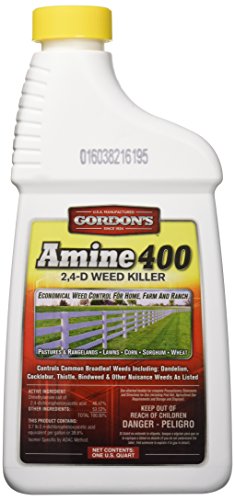
Controls common broadleaf weeds including: Cocklebur, Thistle, Bindweed and other nuisance weeds
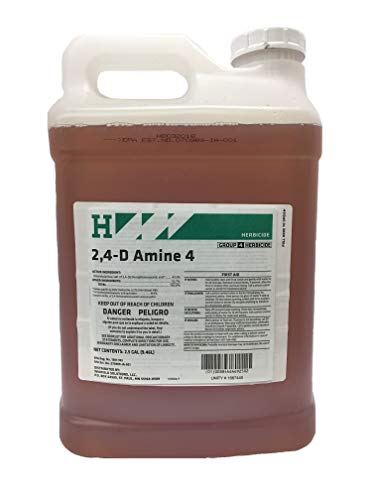

Lawn weed killer starts working on contact to kill even tough weeds to the root
Target the Most Vulnerable Weeds
Identify the most vulnerable weeds by focusing on broadleaf species under four inches tall, especially those that are young, stressed, or in active growth phases; these plants absorb 2,4‑D most efficiently, allowing the synthetic auxin to disrupt cell elongation and vascular transport, which leads to rapid wilting and death. You should prioritize dandelion, plantain, chickweed, ground ivy, and common ragweed, as field consistently show high susceptibility. Apply the herbicide when seedlings are emerging or when stress factors (drought, competition) heighten uptake, which sharpens selective weed targeting. Avoid treating grasses like wheat, corn, and established turf, because they tolerate low exposure and protect non‑target crops. By concentrating on the identified broadleaf seedlings, you maximize efficacy while minimizing non‑target damage. Early detection and proper lawn care practices such as regular mowing help keep weeds below the critical height for optimal herbicide absorption. Proper timing of application ensures the herbicide contacts weeds at their most vulnerable growth stage.
The Science Behind 2,4‑D’s Weed‑Killing Power
2,4‑D works by hijacking the plant’s auxin signaling pathway: it binds to TIR1 receptors, forcing a permanent up‑regulation of auxin‑responsive genes that drives uncontrolled cell division and elongation in dicot vascular tissue. You’ll see the herbicide’s synthetic auxin mimicry trigger auxin receptor interactions that flood the cell with growth signals, causing excess cell wall plasticity, protein synthesis, and ethylene production. This overstimulation closes stomata, halts photosynthesis, and generates free radicals that overwhelm plant defenses. The rapid, uncontrolled division bursts cells at meristems, producing curling, cupping, and necrotic lesions. Because grasses lack the same auxin response, they stay unharmed. Foliar ester forms penetrate quickly, while root‑absorbed salts travel systemically via phloem, delivering the toxin to sensitive tissues over days to weeks. Pre‑emergent herbicides prevent seed germination by forming a chemical barrier in the soil that inhibits early root growth. Application timing is crucial, as environmental conditions such as temperature and moisture significantly influence absorption and translocation rates. Proper lawn care includes soil pH testing to ensure optimal herbicide performance.
How to Keep 2,4‑D Effective When Resistance Pops Up
A field survey in Iowa revealed that 17 % of waterhemp plants survived a full‑rate 2,4‑D spray, signaling that resistance can appear quickly and spread. You should monitor resistance testing each season, sending samples to local extension labs to confirm whether impaired transport or metabolic degradation is occurring. When resistance is detected, rotate to herbicides with different sites‑of‑action and apply full‑label residuals in a weed‑free seedbed. Avoid antagonistic blends; instead, explore tankmix alternatives that pair 2,4‑D with non‑Group A chemistries and proven synergists, using appropriate adjuvants and nozzle settings. Scout 7–10 days after application, record any survivors, and adjust future programs to keep 2,4‑D potency high while delaying further resistance evolution. Soil temperature and moisture herbicide degradation rates and should be considered when planning applications.
Safety & Plant‑Back Rules for 2,4‑D Use
Resistance monitoring shows that 2,4‑D can lose efficacy quickly, so protecting yourself and the environment becomes just as important as managing weeds. You must wear a long‑sleeved shirt, long pants, chemical‑resistant gloves, goggles or a face shield, and, if vapors exceed limits, an approved respirator. If skin or eyes contact the herbicide, rinse with water for 15‑20 minutes, remove clothing, and consult poison control. Keep spills contained, absorb them with suitable material, and follow proper disposal guidelines to prevent Ground/water contamination risks. Observe the label’s plant‑back intervals; avoid touching treated foliage until dry and keep shoes clean to stop indoor dust transfer. Store away from wells, cisterns, and food to safeguard drinking water. Follow the hazardous‑waste disposal protocol to ensure safe and environmentally responsible removal of any unused product.

CHEMICAL RESISTANT GLOVES: Durable PVC coating protects against harsh chemicals, adhesives, detergents, and diluted bases and acids, making them ideal chemical gloves

Excellent chemical resistance: The ergonomically shaped reusable work gloves are made of natural latex, having excellent elasticity and durability, and offering high resistance to chemicals, acid, alkali, solvent, and mechanical risks.

Professional Chemical Gloves - The ergonomically shaped reusable work gloves are made of premium nitrile, have excellent elasticity and durability, offer high resistance to chemicals, acid, alkali, solvent, and mechanical risks, also can maintain the high performance for the oily environment.