
Yes, salt kills most weeds by dehydrating their cells and breaking down their membranes, so the plants wilt within hours and usually brown out in about ten days. Rock salt works best for larger areas because its big crystals release slowly, while table salt acts faster on small patches but can build up toxicity. Wet the spot first, sprinkle a thin layer on the foliage, and water nearby grass heavily to leach excess. You’ll also find out which surfaces and weed types benefit most and how to protect your soil afterward.
How Salt Kills Weeds – The Dehydration Mechanism
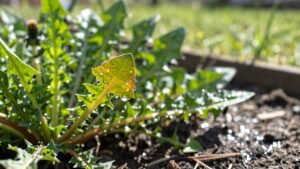
Salt kills weeds primarily by dehydrating them. When you sprinkle salt on soil, it creates a high‑concentration zone that pulls water out of root cells via osmosis, causing targeted soil dehydration. The excess sodium and chloride ions also disrupt cellular membranes, so the plant can’t retain moisture. As water leaves the roots, nutrient transport stalls, leading to reduced nutrient uptake and deficiencies in potassium, phosphorus, and other essentials. The combined effect of cell desiccation and ion toxicity forces leaves to wilt within hours and roots to collapse over days. Repeat applications sustain the salt barrier, preventing regrowth for weeks while you avoid harming cultivated areas. This method works quickly, relies on natural water‑movement principles, and requires minimal equipment. Using a higher concentration, such as the 3:1 water‑to‑salt ratio recommended for stubborn pavement weeds, can increase effectiveness. Soil salinity can also inhibit seed germination, providing an additional layer of weed control. Proper timing, such as applying after a dry spell, maximizes the osmotic pressure effect on weeds.
Rock Salt or Table Salt – Which Works Better for Salt Weed Control?
A quick comparison shows that rock salt’s larger crystals and lower cost make it the more durable choice for long‑term weed suppression, while table salt’s fine grains work faster for small, isolated patches. Rock salt leaches slowly, sterilizing soil for years and delivering reliable selective salt weed killing on crabgrass and broadleaf species. Its bulk price and ability to stay active in cracks and gravel make it economical for large areas. Table salt dissolves quickly, killing weeds within a week, but its fine particles accumulate, raising salt’s environmental toxicity and risking nearby grass, plants, and wildlife. For high‑traffic driveways where rapid results matter, a heavy sprinkle works; for lasting suppression across lawns, rock salt remains the practical, cost‑effective option. Rock salt can also be applied directly to cracks and pavers to prevent weed growth. Diesel fuel can act as an unconventional herbicide by burning plant tissue, offering a rapid, low‑cost weed control method when applied carefully. Solarization provides a chemical‑free alternative that uses heat to eliminate weeds and seeds. Borax can serve as a low‑cost, natural alternative for soil‑based weed suppression.

✅ All Natural and Safe Product- Safe for your family, safe for your pets.
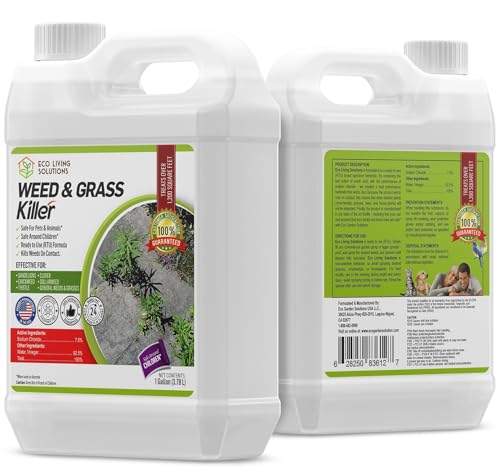
✔️ PET & KID SAFE HERBICIDE - Eco Garden Pro Weed Killer is designed with you and your family in mind! All of our ingredients are carefully selected to be SAFE FOR: PETS, CHILDREN, BEES, FISH, AND ANY LIVESTOCK!

KILLS WEEDS TO THE ROOTS - Earth’s Ally weed grass killer spray is a non-selective, ready-to-use formula proven to eliminate common weeds like broadleaf, crabgrass, dandelion, clover, ivy and chickweed.
Apply Salt to Weeds: Step‑by‑Step Guide
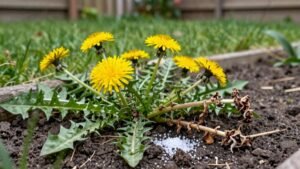
When you’ve identified weeds in a spot where you won’t be planting again—like a driveway, walkway, or gravel path—start by wetting the area with a hose or watering can; this moist soil helps the salt penetrate the foliage and roots quickly. Next, gather a funnel and a small bucket of rock or table salt. Using precise application methods, sprinkle a thin layer directly onto each weed’s leaves and stems, or pour a measured salt solution onto the base with the funnel to avoid splatter. For stubborn weeds, cut the top off and insert half a teaspoon of salt into the stem. After treatment, water nearby desirable plants heavily to leach excess salt and limit local environmental impact. Re‑check the site in 10 days; pull dead weeds to reduce residual salt. Salt works by dehydrating plant cells and disrupting their internal water balance. The heat from a controlled burn can also denature proteins, cellular disruption and accelerate weed death.

Non iodized

KILLS WEEDS TO THE ROOTS - Earth’s Ally natural weed killer spray is a non-selective, ready-to-use formula proven to eliminate common weeds like broadleaf, crabgrass, dandelion, clover, ivy and chickweed.

Mix a DIY Salt Spray for Salt Weed Control
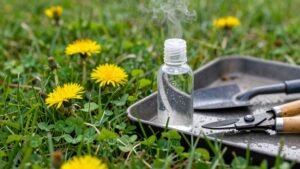
If you need a quick, inexpensive way to kill weeds in cracks or pathways, a homemade salt spray does the job. Combine 2 TBSP rock salt, ½ tsp dish soap, and 2 cups white vinegar in a spray bottle; stir until the salt dissolves, then add soap and shake. For larger areas, scale up to 2 cups salt, ¼ cup soap, and 1 gallon vinegar in a pump sprayer. Adjust the salt spray ratio adjustments upward—use a 3:1 water‑to‑salt mix for a milder start, then increase salt concentration for tougher weeds. The acidic vinegar and surfactant improve adhesion, delivering all natural weed control that dehydrates foliage within an hour. Apply on a sunny afternoon, target leaves directly, and re‑mix if the solution sits. This method works best when applied to actively growing weeds. Vinegar’s rapid wilting effect can be seen within 30 minutes under optimal conditions. The high acidity level of white vinegar helps break down plant cell walls, enhancing the spray’s effectiveness. Acetic acid is the primary component that causes the rapid dehydration of plant tissue.
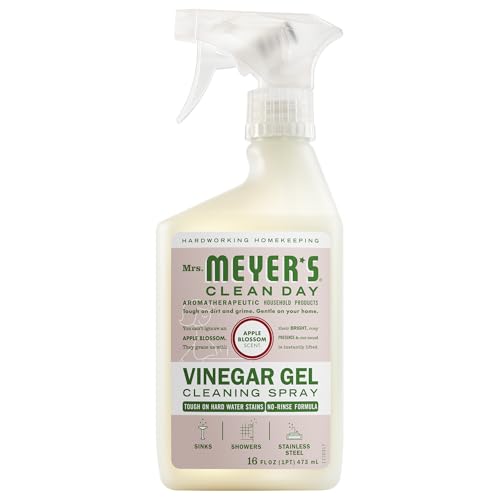
Mrs. Meyer's Vinegar Gel Cleaning Spray not only breaks down everyday grime, but also lifts dirt from surfaces leaving a cleaner surface

【HDPE Eco-Friendly Material】Empty Spray Bottles for Cleaning Solutions are Manufactured With Strong HDPE, the BPA-Free Plastic Durable and Chemical Resistant. Cleaning Spray Bottle Unlike Glass, No Longer Need to Worry About the Bottle Shattering If It Accidentally Falls.

【𝐅𝐢𝐧𝐞 𝐌𝐢𝐬𝐭/𝐏𝐨𝐰𝐞𝐫𝐟𝐮𝐥 𝐒𝐭𝐫𝐞𝐚𝐦】Mister spray bottle has been completely upgraded. The spray bottle has an adjustable nozzle, so you can easily control the spray mode. The latest technology is adopted to make the spray particles smaller and the Stream range longer.
When Will Weeds Turn Brown and Die? – Expected Timeline
Your DIY salt spray starts working almost instantly, but the visible browning and death of weeds follow a predictable schedule. Leaves wilt within hours, then chlorophyll breaks down as chloride ions disrupt photosynthesis. Expect the first brown patches around day 3‑10 for most annuals, with full die‑back by day 10 if rain stays away. Shallow‑rooted grasses brown on hard surfaces within ten days; spot‑treated dandelions may brown in a few hours. Best application techniques—direct leaf spray on dry, sunny days—boost absorption rates by plants and accelerate desiccation. Soil‑applied salt takes the full ten‑day window for severe damage. Keep an eye on weather; rain dilutes salt, extending the timeline, while heat and wind shorten it. Rain can wash away the salt before it is fully absorbed, resetting the clock. The acetic acid in vinegar works by damaging plant tissue through rapid desiccation. Acetic acid concentrations above 10 % are typically required for effective weed control. Using hydrogen peroxide at a 3 % concentration can also desiccate weeds, offering an organic alternative.
How to Protect Grass and Soil When Using Salt
Although salt is an effective deicer, it can quickly damage grass and soil if it’s not managed properly. Start by shoveling snow away from the lawn, creating a buffer zone that limits salt runoff. Apply salt only on driveways and walkways, using the smallest amount needed, and keep it off the grass. Lay burlap or decorative stones along the edge to block spray. After melt, flush the soil with a deep watering session to leach excess salts and protect lawn pH. Sprinkle gypsum to displace sodium with calcium, then aerate in spring to improve water infiltration. Finally, overseed with salt‑tolerant turf and apply a balanced fertilizer to aid recovery. For rocky garden areas, consider using a targeted herbicide to eliminate weeds without harming surrounding plants. Always follow local hazardous‑waste guidelines when disposing of any leftover chemicals, such as proper container sealing.

Enhances Soil Structure: Loosens heavy clay soils, improving aeration, drainage, and root penetration.

OMRI Listed - Cz Gypsum Calcium Sulfate Dihydrate is an All-Natural mineral fertilizer listed by the Organic Materials Review Institute (OMRI). It may be used in certified organic production or food processing and handling according to the USDA National Organic Program regulations.

Loosen Clay: Earth Science Fast Acting Gypsum granules start immediately to loosen clay and other compact soils for improved water penetration, more workable soil, and better root development.
Best Surfaces and Weed Types for Salt Weed Control
Two or three salt applications on non‑porous surfaces—driveways, paths, walkways, patios, and sidewalk cracks—quickly desiccate the most common broadleaf and grassy weeds, turning them brown and brittle within days. On low porosity surfaces like concrete driveways and stone walkways, salt draws moisture from plant cells, killing dandelions, clover, and crabgrass in two days. You’ll notice weeds turn dry and easy to sweep, and re‑application cuts regrowth further. Brick patios and other porous pavers still respond well if you pre‑wet the area; the salt penetrates cracks and desiccates seedlings before they establish. Spot‑treat sidewalk cracks and gravel lots with precise salt doses for fast, chemical‑free control of weed seedlings and shallow root mats. Applying salt in early spring, late March or early April, maximizes its preventative effect for the growing season. Proper tilling before salt application can enhance soil aeration and improve salt distribution. Baking soda can also be mixed with water to create a gentle spray that helps control weeds without harming surrounding plants. baking soda

KILLS TO THE ROOT: Our formula is guaranteed to kill more than 250 weeds and grass including broadleaf, crabgrass, dandelion, clover, ivy, and chickweed.

KILLS MOSS, ALGAE & MORE: 2-in-1 Moss & Algae Killer and Cleaner kills moss, algae, lichen, mold*, and mildew; No-odor formula won't stain surfaces or harm lawns when used as directed (*Not including species considered public health pests)

See Result in 1 Hour: Neudorff Weed Killer Kills Tough, Brushy, Hard-to-control Weeds - Poison Ivy, Dandelion, Chickweed, Red Clover, Crabgrass, Oxalis, Kudzu, Poison Oak, Wild Black Berry, & Other Weeds, Grasses, and Brushes.
Mitigating Soil Damage After Salt Use
After a few salt applications, the soil can retain enough sodium to stress or kill nearby plants, so you’ll need to leach, amend, and improve drainage promptly. Start by delivering a deep soak: six inches of water—about 372 gallons per 100 sq ft—will leach roughly half the salt. Do this daily in warm weather after snow melt, grading runoff toward drains. Apply gypsum in spring, then irrigate heavily to bind sodium and boost aeration. Follow with organic soil amendments such as compost or manure; they retain moisture, improve structure, and support compaction reduction strategies. Avoid deep tillage that could push salts deeper. Finally, rake dead grass, reseed, and keep the new turf moist until established. Salt can coat grass blades, drawing water out of plant cells and causing dehydration. Mulch also provides weed suppression by blocking sunlight and limiting seed germination. Adding a thin layer of vinegar‑based solution can further deter weed growth without harming the surrounding grass. Using citrus oil as a natural herbicide can enhance weed control while preserving soil health.
Vinegar & Dish‑Soap as Faster Salt‑Free Weed Killers
If you need a quick, salt‑free way to knock out weeds, a simple blend of vinegar and dish soap does the job. Mix 4 cups of 9 % pickling vinegar with 5 tablespoons liquid dish soap, adding the soap last to limit bubbles. Spray the vinegar solution directly onto weed foliage, aiming for a full coat while shielding nearby plants. The acetic acid burns leaves on contact, and the soap lowers surface tension, letting the solution penetrate the leaf cuticle for faster kill. You’ll see yellowing within hours; a second spray often finishes tougher weeds. Use a spray bottle, target young weeds, and reapply after rain. This method delivers reliable vinegar and soap effectiveness without salt. Salt enhanced solution can increase the herbicidal strength, though it is not necessary for effective weed control. Acetic acid’s cell membrane disruption is the primary mechanism that causes rapid wilting.
Your Top Questions About Salt Weed Control
Most gardeners wonder how often they need to reapply salt to keep weeds at bay. The effective lifespan of salt treatment is about three to four weeks before you notice regrowth, so spot‑treat monthly to stay ahead. Sprinkle one cup of dry rock salt per square foot on weed bases, or dissolve one part salt in two to three parts water and spray. Wetting weeds first or applying after rain lets moisture carry the salt into roots, speeding dehydration. Use this method only for non‑garden application of salt—pavers, driveways, or between stones—because it sterilizes soil, raises pH, and can kill nearby grass and plants. For broadleaf dandelions, thistles, and crabgrass, expect browning within two days and full die‑off in ten days. Reapply as needed to maintain a weed‑free surface. The soil becomes sterilized, preventing future weed growth for years.