
Your mower surges when the pilot jet or fuel filter gets clogged, starving the carburetor and causing rapid RPM swings, rough idle, and erratic throttle response. Check the tachometer for needle jitter, listen for a choppy idle, and see if the idle speed knob drifts. Clean the pilot jet, clear the carburetor screen, replace any stale or water‑contaminated fuel, and inspect the fuel line and air filter for blockages. Fixing these issues usually steadies the engine, and the next steps will show you how to prevent future surging.
Why Your Lawn‑Mower Surges: Engine‑Surging Basics
When your mower’s engine starts revving up and down instead of holding a steady speed, it’s surging—a symptom of fuel delivery problems that can be traced to a few core issues. First, check the fuel filter; a clogged filter starves the carburetor, causing RPM fluctuations. Replace the filter if it looks dirty or hasn’t been changed in six months. Next, inspect the carburetor. Remove the pilot‑jet screw, pull the jet out, and look for varnish or debris. If the jet won’t be cleared with a brush, drill it with a 13‑thousandths‑inch bit until the passage is open. Reassemble, tighten the screw to its original depth, and run the mower. If surging persists, consider a full carburetor replacement to restore proper air‑fuel mixing. A lack of fuel can also cause the engine to surge. A rich fuel mixture can lead to backfiring, which often accompanies surging when the engine receives too much fuel. Checking the spark plug condition regularly helps prevent misfires that can mimic surging. Proper oil level maintenance, such as ensuring the engine has the recommended oil capacity from the owner’s manual, supports overall engine health and can reduce the likelihood of surge‑related issues.

【Carburetor Main Jet Part Number】The 592792 main jet is specifically designed for compatibility with Briggs and Stratton engines, ensuring a perfect fit for models like 09P702-0001-B1 and others. This essential part ensures your machinery operates at peak efficiency

【Carburetor Main Jet Part Number】592792

Replaces Part Number: for 592792,596521,594060.
Identify Early Lawn‑Mower Surging Signs (RPM Fluctuations & Idle Issues)
If you notice the mower’s engine revving up and down at idle, that “hunting” sound is an early sign of surging caused by inconsistent fuel flow. Check the tachometer; rapid needle swings indicate RPM fluctuations even when the throttle is stationary. Listen for a rough, choppy idle that won’t settle—this often means a poor air‑fuel mixture or inconsistent spark timing. Observe whether the engine leans out, producing excess noise and a “searching” feel. Verify that the idle speed knob holds its setting; if it drifts, the engine is starving and recovering repeatedly. These symptoms appear before load changes, so catching them early lets you address fuel delivery or ignition issues before they worsen. The surging is often traced to a clogged pilot jet in the carburetor.
Diagnose Fuel‑System Issues Causing Surging (Pilot Jet, Carburetor, Contamination)
Even a small amount of varnish or debris in the pilot jet can throw the idle circuit off balance, so start by inspecting and cleaning that tiny passage before moving on to the larger carburetor. Remove the carburetor bowl, locate the pilot jet, and use a thin wire or jet‑cleaning kit to clear any blockage. Next, examine the idle circuit for varnish buildup; a stubborn residue indicates fuel starvation risk. Check the carburetor screen and inline fuel filter for clogs—replace them if flow feels restricted. Look for water or stale fuel in the tank; contaminated fuel creates an air‑fuel imbalance that forces the governor to hunt. Finally, verify that fuel lines are intact and not cracked, ensuring a steady supply to prevent intermittent surging. Fuel hose damage can also cause intermittent fuel flow, leading to sudden surges. A cracked fuel line can fuel leakage and exacerbate the surging problem. A common sign of a flooded engine is a strong fuel smell when the mower is warm. Worn seals can also allow oil to escape, contributing to overall engine performance issues.

Package Includes: set of 6 carburetor cleaner kit, 20 cleaning needles + 10 nylon brushes + 26 cleaning wires. Brush diameters: 2mm, 3mm, 4mm, 5mm, 7 mm. Length: approx. 5.1 inches/ 130 mm.. Wire sizes diameters: 0.4, 0.5, 0.6, 0.7, 0.8, 0.9, 1.0, 1.1, 1.2, 1.3, 1.4, 1.6mm and 2 Sharp Pick

Make Your Work More Easy - Are you annoyed that some tight spaces cannot be cleaned up? Congratulations on finding the one you want. 5 different width Nylon Brushes + 10 different diameter Cleaning Needles + 13 different diameter Cleaning Wires can help you clean out the blockages that you can't see. You do not need to dirty your beautiful hands. This set of tools can easily help you clean up the corners that bother you.
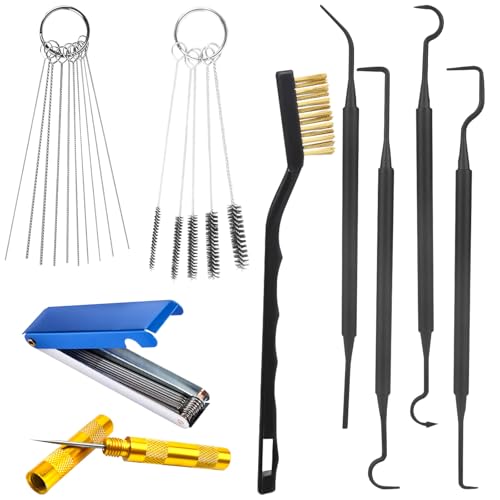
【Material】Engineered for performance and longevity, our carburetor cleaning kit utilizes high-grade stainless steel and tough nylon. The stainless steel components offer reliable strength and are designed to maintain their integrity, while the nylon brushes effectively scrub sensitive parts without causing damage. This thoughtful material selection provides a consistent and dependable cleaning experience through repeated use on various projects.
Fix Lawn‑Mower Surging: Clean Pilot Jet, Carburetor & Replace Stale Fuel
After clearing the pilot jet and checking the carburetor for varnish, the next step is to eliminate any stale or contaminated fuel that’s still in the tank and bowl. Drain the tank, discard the old gasoline, and rinse the bowl with a carburetor‑cleaning spray. Fill the tank with fresh, unleaded fuel and add a fuel stabilizer if you’ll store the mower. While you’re at it, inspect the air intake: a clogged air filter will starve the engine of oxygen, worsening surging. Replace it if it’s dirty. Check the spark plug; a worn spark plug can cause misfires that mimic fuel‑starvation symptoms. Install a new plug if the electrode is eroded or fouled. Reassemble, test at idle, and you should see a steady RPM with no surging. Replace the air filter if it’s dirty or oily. Use a dry brush to remove loose debris from the filter before a thorough cleaning. A clogged carburetor can also cause the engine to run rich, leading to smoke and poor performance. A faulty ignition coil can prevent proper spark delivery, causing the engine to die after starting.
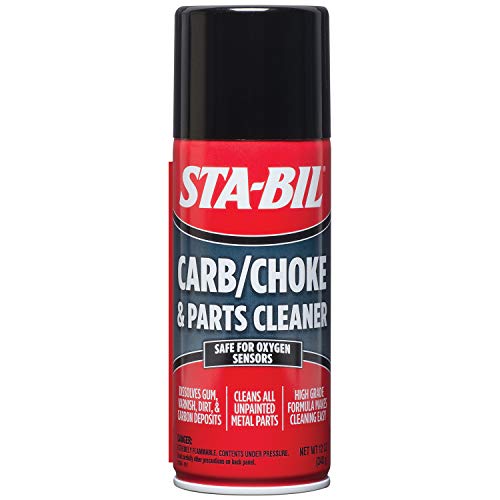
Quickly cleans and dissolves gum, varnish, dirt, lead, and carbon deposits, aiding in faster starts and smooth idling

Extra strength cleaning power: Specially formulated with solvents that effectively break down carbon, gum, and varnish deposits to restore cleaner and smoother engine operation

Are you annoyed that some tight spaces cannot be cleaned up? Congratulations on finding the one you want. 5 different width Nylon Brushes + 10 different diameter Cleaning Needles + 13 different diameter Cleaning Wires can help you clean out the blockages that you can't see. You do not need to dirty your beautiful hands. This set of tools can easily help you clean up the corners that bother you,MAKE YOUR WORK EASY..
Prevent Future Lawn‑Mower Surging With Regular Maintenance
A solid maintenance routine is the best way to keep your mower from surging again. Begin each season by cleaning the air filter: tap paper filters, wash foam filters, then soak them in fresh motor oil and squeeze out excess. Replace any filter that’s saturated or damaged, and wipe the housing clean to guarantee unrestricted airflow. Change the oil after every 25‑50 hours of use, draining it completely before refilling with the correct grade. Sharpen the blade and clean the deck underside to avoid rust and drag. Perform routine spark plug checks, replacing worn plugs during annual tune‑ups. Finally, verify proper carburetor adjustment and schedule a professional inspection yearly to catch hidden fuel or governor issues before they cause surging. Stale fuel can also trigger surging, so inspect the fuel tank for old or contaminated gasoline before each season. Follow the recommended oil change interval of every 25‑50 hours to maintain optimal engine performance. Regularly inspect the irrigation system for faulty valves to prevent water pressure issues that could affect mower operation.